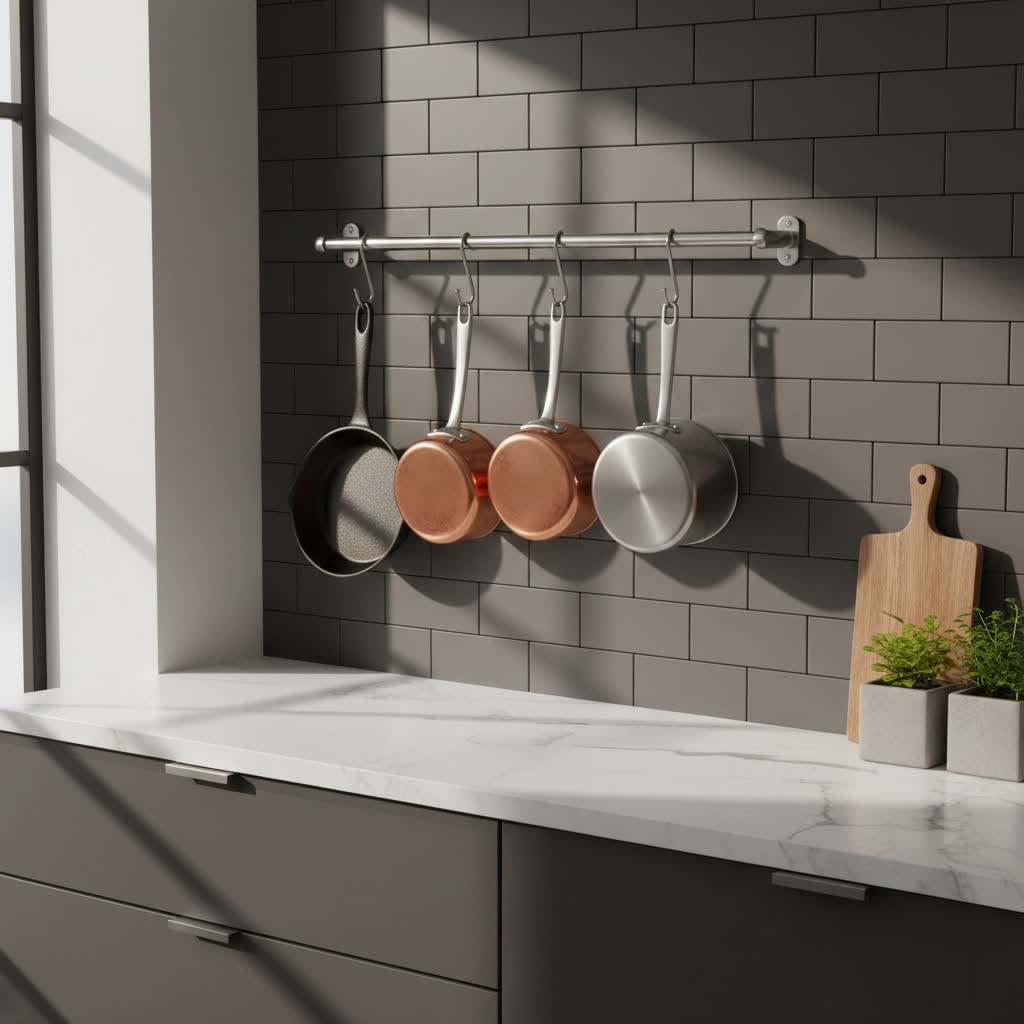
Is your kitchen overflowing with pots and pans, leaving your cabinets cluttered and your countertops cramped? You’re not alone. Many home cooks face the challenge of limited storage, but there’s a brilliant, often overlooked solution: the tiered pot rack. By cleverly utilizing vertical space, these innovative organizers transform kitchen chaos into culinary calm, making your cookware accessible and even adding a stylish touch to your home. Let’s explore how a tiered pot rack can revolutionize your kitchen storage.
Why You Need a Tiered Pot Rack?
A well-chosen pot rack goes beyond mere storage; it’s a strategic kitchen upgrade. Primarily, it excels at freeing up valuable cabinet and counter space, which is especially beneficial in smaller kitchens. Imagine no longer having to stack and unstack heavy cookware, damaging non-stick surfaces or chipping enamel. With pots and pans neatly suspended or vertically arranged, they are easy to find and grab, streamlining your cooking process and saving precious minutes. Beyond functionality, a tiered pot rack can also enhance your kitchen’s aesthetic, turning functional items into a display of your culinary passion. This type of storage also promotes better air circulation around your cookware, allowing items to dry more thoroughly and preventing musty odors or moisture build-up often found in enclosed cabinets.
Types of Pot Racks for Vertical Space
When aiming to maximize vertical space, specific pot rack designs stand out. Understanding the different types available will help you choose the best fit for your kitchen’s layout and your unique needs.
Tiered Ceiling-Mounted Pot Racks
|
Our Picks for the Best Pot rack in 2026
As an Amazon Associate I earn from qualifying purchases.
|
||
| Num | Product | Action |
|---|---|---|
| 1 | CHOEZON 31.7-Inch Hanging Pot Rack, Space-Saving Pot Hanger for Kitchen, Ceiling Pan Hanging Rack with 16 Detachable S Hooks, Sturdy Metal Frame, Industrial Style, Rustic Brown and Black TPR09BF |

|
| 2 | HULISEN Pots and Pans Organizer Under Cabinet, Expandable 2-Tier Pots and Pans Lid Storage Rack Holder with 10 Dividers, Adjustable Height Under Sink Organizer, Maximize Kitchen Storage Space |
|
| 3 | MUDEELA 8-Tier Pots and Pans Organizer under Cabinet, 15.83" Height Heavy Duty Pot Pan Organizer Kitchen Cabinet Organization and Storage, Adjustable Pot Rack for Frying Pan, Cast Iron Skillet, Black |
|
| 4 | CHOEZON Pot Racks, 6-Tier Cookware Stand, Triangle Shelf Storage Tower for Kitchen, Pans Pots Storage Rack, Metal Wire Shelf Organizer, Corner Shelf, for Kitchen, Living Room, Black TPR15BB |
|
| 5 | MUDEELA Pots and Pans Organizer Rack for under Cabinet, Expandable 11.81''-22.85'' Pot Lid Kitchen Cabinet Organizer Holder with 10 Adjustable Compartment Cutting Board Organizer for Pan Lid, Bakeware |
|
| 6 | VyGrow 28 Inch Pot Rack Wall Mounted, 2 Tier Pots and Pans Organizer with 20 Hooks and 6 Pot Lid Holders, Heavy Duty Steel Pot and Pan Hanger for Kitchen Cookware Utensils Storage 34.7" Lx13 Wx26.4 H |
|
| 7 | MUDEELA Pots and Pans Organizer Rack under Cabinet 14.55in Height, 8-Tiers Adjustable Pot Rack with 3 DIY Methods, Pot Lid Organizer inside Cabinet for Kitchen Pantry Organization and Storage |
|
| 8 | ORDORA Pots and Pans Organizer: under Cabinet, 20.8" Height Heavy Duty 120LBS Pots Pans Organizer Rack for under Cabinet 8-Tier Adjustable for Big Stockpots, Dutch Oven, Cast-iron Pans, Heavy Cookware |
|
| 9 | ORDORA Pots and Pans Organizer for Cabinet 16.61 Height, 8 Tier Pot Organizers Rack with 3 DIY Methods, Adjustable Pan Organizer under Cabinet Kitchen Organization and Storage |
|
| 10 | CHOEZON Pots and Pans Organizer Rack, Kitchen Bakers Rack, Multi-Tier Storage Shelf, Kitchen Island Table, Cooking Rack with Pots and Pans Storage, Rustic Brown and Black TPR60BF |
|
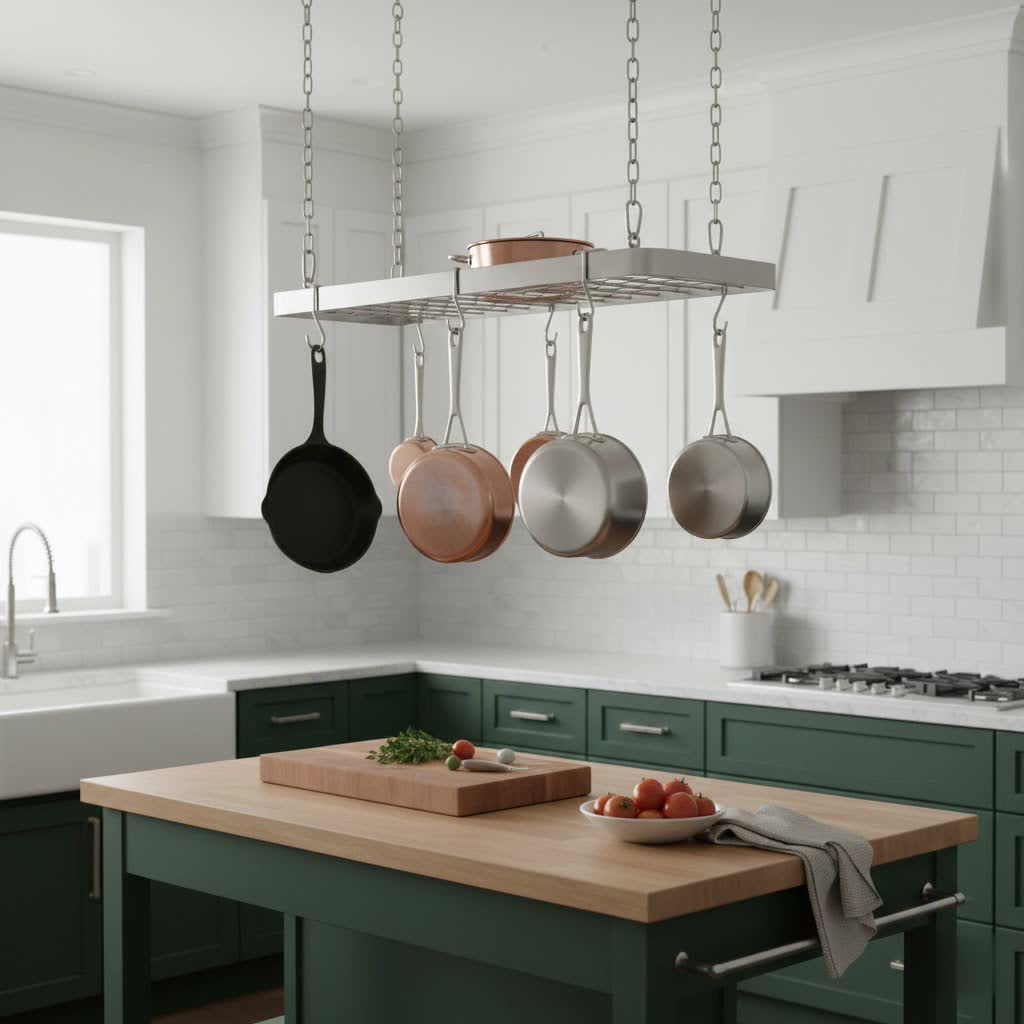
These iconic racks are suspended from the ceiling, typically above a kitchen island or a central work area. They offer unparalleled vertical storage, keeping a large collection of cookware within easy reach without occupying any counter or wall space. Tiered designs allow for multiple layers of storage, often with a flat top for lids or smaller items, and hooks below for hanging pots and pans. They can serve as a stunning focal point, enhancing the visual appeal of a spacious kitchen.
Tiered Wall-Mounted Pot Racks
For kitchens where ceiling suspension isn’t feasible or desired, tiered wall-mounted racks provide an excellent alternative. These can range from multiple horizontal bars stacked vertically to shelves with integrated hooks. They utilize otherwise unused wall space, making them ideal for smaller kitchens or those with limited overhead clearance. Some designs even offer integrated shelves for spices or cookbooks, further maximizing vertical utility.
Freestanding Tiered Pot Organizers
Not all vertical solutions require drilling. Freestanding tiered organizers are designed to sit inside cabinets, on countertops, or even in pantries. These typically feature adjustable dividers or shelves that allow you to store pans, lids, and baking sheets upright, preventing them from clumping together. They are highly flexible, portable, and require no installation, making them perfect for renters or those who frequently reorganize their kitchen.
Other Vertical Solutions
While not strictly “pot racks,” other vertical storage solutions complement tiered racks for complete kitchen organization. Magnetic knife strips can hold small pans or lids on a wall, and pull-out cabinet organizers with multiple tiers offer vertical stacking within existing cabinetry, making deep corners accessible.
Comparison of Vertical Pot Rack Types
Choosing the right type depends on your kitchen’s structure and your storage priorities. Here’s a quick comparison:
| Feature | Tiered Ceiling Rack | Tiered Wall Rack | Freestanding Tiered Organizer |
|---|---|---|---|
| Pros | Maximum overhead use, aesthetic focal point, excellent airflow | Space-saving, often easier installation, versatile placement | Flexible, no installation, portable, protects cookware |
| Cons | Complex installation, requires sturdy ceiling support, can obstruct views | Weight limits, may scratch walls, less visual impact | Occupies cabinet/counter space, less aesthetic display |
| Best For | Large kitchens with high ceilings, showcasing cookware | Small kitchens, specific wall areas, renters | Cabinets, pantries, renters, cookware protection |
| Load Capacity | High (when properly installed) | Medium | Medium to Low (depends on design) |
Buying Guide: Choosing Your Perfect Tiered Pot Rack
Selecting the right tiered pot rack requires careful consideration of several factors. As a seasoned technician with a decade of experience in kitchen equipment, I recommend this guide to help you make an informed decision:
- Assess Your Kitchen Space: Before anything else, measure. For ceiling racks, note your ceiling height and the area above your island or prep space. For wall-mounted options, measure the available wall dimensions. Don’t forget to account for swing space if pots will hang freely.
- Evaluate Your Cookware Collection: Take an inventory. How many pots and pans do you need to hang? What are their sizes and weights? This will dictate the required size and load capacity of your rack. A rack designed for lightweight saucepans won’t hold heavy cast iron Dutch ovens.
- Consider the Pot Rack Type: Refer to the comparison table above. Do you have a high ceiling perfect for a dramatic centerpiece, or is wall space your best bet? Do you prefer a no-fuss, freestanding solution? Your kitchen’s architecture should guide this choice.
- Material and Durability: Pot racks come in various materials, each with its pros and cons.
- Wrought Iron: Classic, heavy-duty, excellent for traditional or rustic kitchens.
- Stainless Steel: Modern, easy to clean, highly durable, and corrosion-resistant.
- Wood: Adds warmth and natural aesthetic, but consider weight capacity.
- Coated Metal: Often more affordable, comes in various colors, but check for chip resistance.
It’s crucial that the material and construction are robust enough to safely hold your cookware.
- Installation Requirements (for mounted racks): Ceiling and wall racks demand secure installation. If you’re not comfortable with DIY, factor in the cost of professional installation. Always ensure your chosen location has adequate structural support (ceiling joists or wall studs).
- Aesthetics and Design: Your pot rack is a visible element. Choose a style that complements your kitchen’s existing decor, whether it’s rustic farmhouse, sleek modern, or industrial chic. Many racks now include integrated lighting, adding both function and ambiance.
- Read Reviews and Compare Prices: Once you have a few options in mind, read user reviews to gauge real-world performance and durability. Compare prices from reputable retailers to ensure you’re getting the best value.
Installation Essentials for Mounted Tiered Pot Racks
Proper installation is paramount for the safety and longevity of your ceiling or wall-mounted tiered pot rack. Here are crucial considerations:
- Safety First: Locate Studs/Joists. A drywall ceiling or plaster wall alone cannot support the weight of a loaded pot rack. You must anchor the rack into solid wood, such as ceiling joists for overhead racks or wall studs for wall-mounted ones. Use a reliable stud finder to locate these structural supports accurately.
- Proper Placement. Choose a location that is convenient for cooking, typically above a kitchen island, peninsula, or a dedicated prep area. Ensure it’s away from high-traffic thoroughfares to prevent accidental bumps. Avoid placing it directly above the stove, as pots can accumulate grease and steam, requiring more frequent cleaning.
- Optimal Height. For ceiling-mounted racks, a general guideline is to hang the bottom of the rack approximately 42 inches above the countertop or island surface below. This ensures easy reach while cooking but prevents obstruction. Always consider the height of the primary user and ensure ample head clearance for everyone moving around the kitchen.
- Tools Needed. Prepare your toolkit: a measuring tape, pencil, stud finder, power drill with appropriate bits, a level, and safety goggles. Having a helper is also highly recommended, especially for heavy ceiling racks.
- Step-by-Step (General):
- Measure and Mark: Use a template (often provided or you can create one with cardboard) to mark drill points on your ceiling or wall, aligning them with detected joists/studs.
- Drill Pilot Holes: Carefully drill pilot holes at your marked spots.
- Secure Anchors/Brackets: Install any required anchors or mounting brackets firmly into the structural support. If ceiling joists are perpendicular to your desired rack orientation, a ceiling plate with multiple attachment points may be necessary.
- Attach Rack: Carefully lift and attach the pot rack to the installed hardware. Ensure all connections are tight and secure.
- Test Stability: Before loading with cookware, gently tug on the rack to ensure it is stable and properly installed.
Cost of Tiered Pot Racks
The price of tiered pot racks can vary significantly based on material, size, design, and brand. Here’s a general breakdown:
- Budget-Friendly (Under $50): These often include simple wall-mounted bars with a few hooks, or basic freestanding pan organizers made from lighter metals or plastics. They are good for minimal storage needs or for those on a tight budget.
- Mid-Range ($50 – $150): This category offers a wide selection of more robust wall-mounted racks, smaller to medium-sized ceiling racks, and higher-quality freestanding units. Materials typically include stainless steel or powder-coated metal, with more elaborate designs and better weight capacities.
- Premium (Over $150): At the higher end, you’ll find large, ornate ceiling racks made from wrought iron or solid wood, often with integrated shelving and lighting. These are designed for significant cookware collections and can act as a statement piece in a spacious kitchen. Customized or artisanal racks also fall into this range.
Top 5 Tiered Pot Racks to Consider
Based on their design and ability to maximize vertical space, here are some highly effective types of tiered pot racks:
- The Grand Ceiling Arch Pot Rack: This elegant, often oval or rectangular, ceiling-mounted design offers multiple tiers of storage and numerous hooks. Its generous size is perfect for showcasing a comprehensive cookware collection, turning your kitchen into a professional-grade culinary space. It provides exceptional airflow for drying and keeps every piece within arm’s reach.
- The Modular Wall-Mounted Shelf System: Featuring adjustable shelves and hooks on a sturdy wall-mounted frame, this system provides versatile vertical storage. You can customize the spacing between tiers to accommodate various pot sizes, and add or remove hooks as your needs evolve. It’s perfect for smaller kitchens that need flexible, efficient wall storage.
- The Space-Saving Corner Rack with Shelves: Designed to fit snugly into kitchen corners, this multi-tiered rack maximizes an often-underutilized space. It typically combines hanging hooks with sturdy shelves, allowing for a mix of pots, pans, lids, and even small kitchen appliances. It’s an ingenious solution for compact layouts.
- The Heavy-Duty Pull-Out Cabinet Organizer: While hidden, this tiered system dramatically improves vertical organization within your lower cabinets. With smooth-gliding shelves or dividers, it allows you to stack pans vertically without scratching and easily access even the rearmost items. It’s a practical choice for those who prefer a minimalist, clutter-free look.
- The Minimalist Vertical Pan & Lid Rack: This slender, upright rack is ideal for narrow cabinets or pantries, keeping a stack of pans or an array of lids perfectly organized. Its simple, effective design ensures that each item is easily retrievable without disturbing others, offering an immediate solution to lid-clutter nightmares.
“A well-designed tiered pot rack isn’t just about storage; it’s about reclaiming your kitchen’s potential, transforming vertical emptiness into an organized, inspiring culinary hub.”
Conclusion
Embracing a tiered pot rack is a smart, stylish way to unlock the untapped vertical potential of your kitchen. Whether you opt for a dramatic ceiling display, a functional wall-mounted system, or a discreet cabinet organizer, the benefits of enhanced organization, improved accessibility, and a decluttered space are undeniable. By carefully considering your kitchen’s layout, your cookware needs, and installation requirements, you can select the perfect tiered pot rack to transform your cooking environment. So, are you ready to elevate your kitchen’s organization and discover the joy of an efficiently designed space?
FAQ
How much weight can a tiered pot rack hold?
The weight capacity varies greatly by type and material. Ceiling-mounted racks securely anchored into joists can often hold 50-100 pounds or more, while wall-mounted racks might support 20-50 pounds depending on stud placement and material. Freestanding organizers typically hold less, usually under 30 pounds. Always check the manufacturer’s specifications.
Can I install a tiered pot rack in a rental kitchen?
For rental kitchens, freestanding tiered pot organizers are ideal as they require no permanent installation. Wall-mounted racks might be an option if your landlord permits drilling and you’re willing to patch holes upon moving. Ceiling racks are generally not suitable for rentals due to complex installation and potential damage.
What materials are best for pot racks?
Durable materials like wrought iron and stainless steel are excellent for strength and longevity, especially for heavy cookware. Wood offers a warmer aesthetic but ensure it’s solid and well-constructed. Coated metals are common for affordability and variety, but check for rust and chip resistance.
How high should I hang a ceiling-mounted pot rack?
A common recommendation is to hang the bottom of the pot rack about 42 inches above the countertop or island. This height allows for comfortable reach while cooking and ensures adequate clearance for most individuals moving underneath. Always prioritize head clearance based on your household members’ heights.
Are tiered pot racks only for small kitchens?
Not at all! While they are exceptional for maximizing space in small kitchens, tiered pot racks are also popular in larger kitchens. They provide a beautiful way to organize and display cookware, keep frequently used items accessible, and can serve as a stunning design element, contributing to a professional and organized feel.