Your kitchen is the heart of your home, and while cooking brings joy, the wear and tear on your walls from pots and pans can quickly diminish its charm. As an experienced kitchen appliance technician with a decade specializing in pot racks and kitchen organization, I understand the frustration of unsightly scuffs. Protecting your walls from these blemishes isn’t just about aesthetics; it’s about preserving your investment and maintaining a clean, functional space. This guide will walk you through proven strategies, from smart storage to innovative protective measures, ensuring your kitchen remains pristine and inviting.
Why Your Kitchen Walls Need Protection from Pot Scuffs
Kitchen walls are constantly exposed to potential damage. Pot scuffs, in particular, can be more than just minor imperfections; they can compromise the paint, expose the drywall, and create areas that are harder to clean. Over time, these small marks accumulate, making your kitchen look tired and neglected. Investing in wall protection not only maintains the aesthetic appeal of your space but also prevents costly repairs down the line. A clean, well-preserved kitchen enhances your cooking experience and contributes to the overall value of your home.
Common Causes of Pot Scuffs on Walls
Pot scuffs often result from seemingly minor interactions in a busy kitchen. One primary cause is the act of hanging pots and pans directly on a wall without adequate clearance or a protective barrier. When cookware swings or shifts, it can repeatedly rub against the painted surface, leading to dark streaks and chipped paint. Another frequent culprit is the simple act of retrieving or returning pots and pans from cabinets or shelves. Accidental bumps against nearby walls, especially in tighter spaces, can leave immediate marks. During cooking, even careful movements can sometimes result in a pot or pan handle scraping against a backsplash or wall. Furthermore, a lack of dedicated, well-organized storage can force pots into precarious positions, increasing the likelihood of incidental contact with wall surfaces.
Effective Solutions for Wall Protection
Safeguarding your kitchen walls from pot scuffs requires a multi-faceted approach, combining smart storage, physical barriers, and mindful cooking habits.
Strategic Pot Storage Solutions
One of the most effective ways to prevent scuffs is to rethink how you store your cookware.
- Pot Racks (Wall-Mounted & Ceiling-Mounted): Pot racks are not only a stylish way to display your cookware but also a practical solution for wall protection.
- Wall-Mounted Pot Racks: These are excellent for smaller kitchens as they free up cabinet space and keep pots off countertops. When installing, ensure the rack extends far enough from the wall to prevent pots from touching the surface, or consider a model with stand-offs that create a buffer. Some systems, like metal grids, attach to the wall through small stand-offs, ensuring cookware hangs without contact.
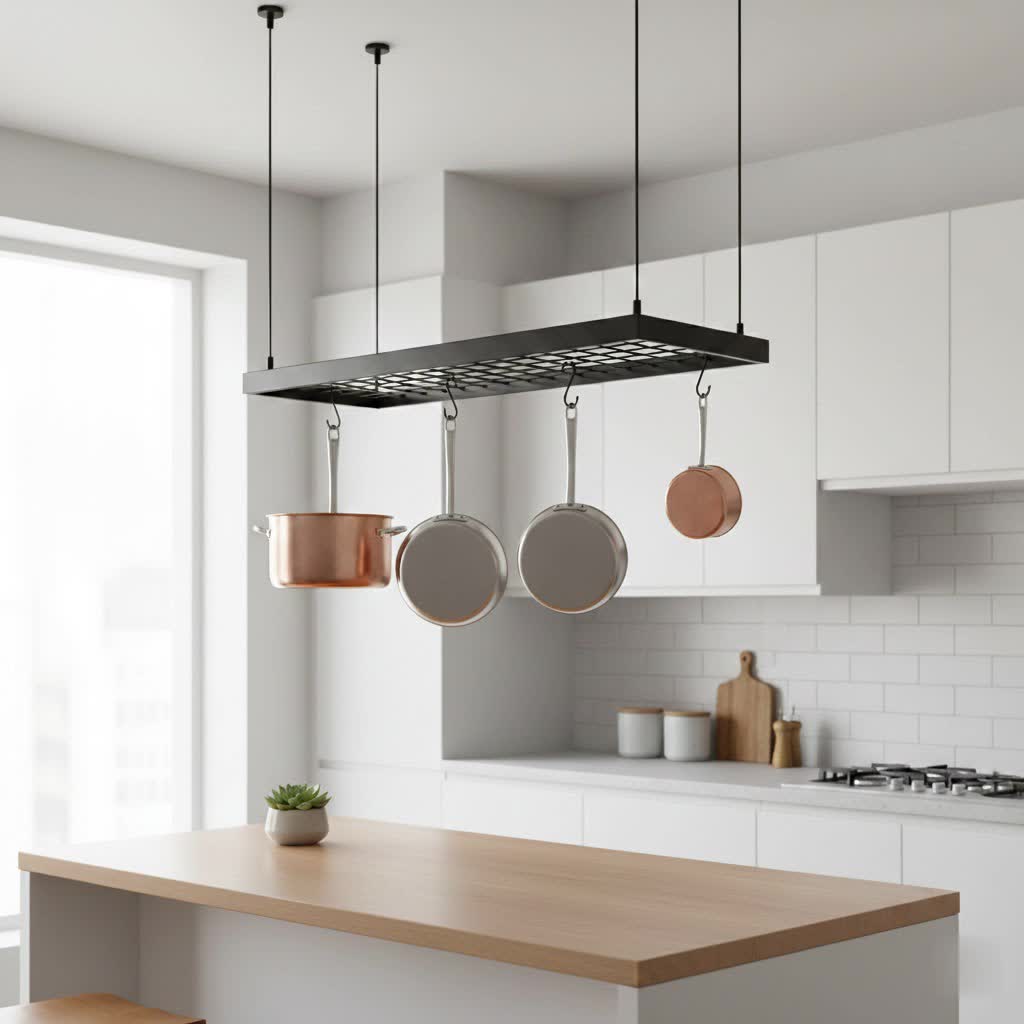
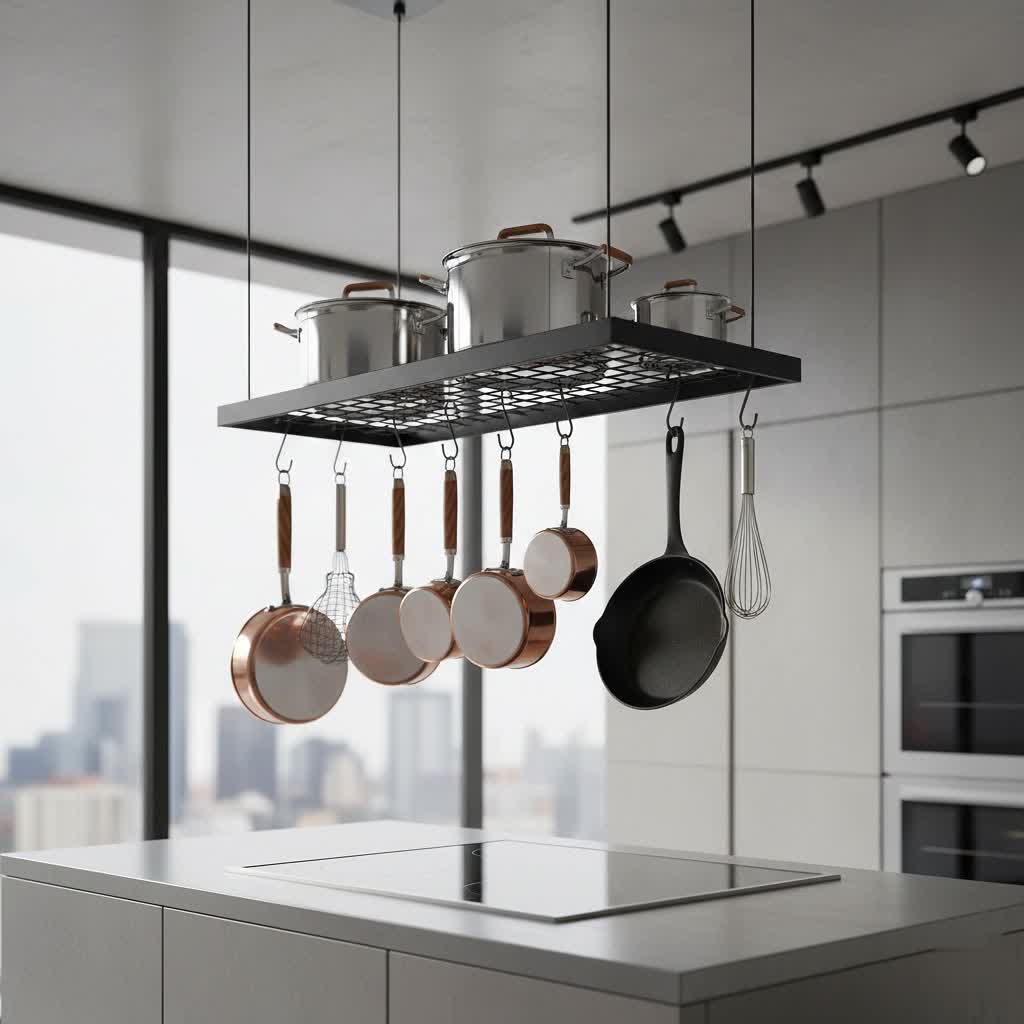
- Ceiling-Mounted Pot Racks: Ideal for kitchens with higher ceilings and ample space, these racks keep pots entirely away from wall surfaces, making them a superb choice for preventing scuffs. They offer central storage and can handle significant weight.
- Cabinet Inserts & Organizers: For those who prefer to keep cookware out of sight, cabinet inserts and pull-out organizers can prevent pots from knocking against cabinet interiors or back walls.
- Pot & Pan Protectors: Simple felt squares or circular pads placed between stacked pots and pans prevent scratches and scuffs when stored in cabinets or drawers [cite: 2 (search “prevent scratches on cookware”), 3 (search “kitchen cabinets”)]. These inexpensive solutions ensure the surfaces of your cookware, and by extension, your storage areas, remain intact.
|
Our Picks for the Best Pot rack in 2026
As an Amazon Associate I earn from qualifying purchases.
|
||
| Num | Product | Action |
|---|---|---|
| 1 | ORDORA Pots and Pans Organizer for Cabinet 16.61 Height, 8 Tier Pot Organizers Rack with 3 DIY Methods, Adjustable Pan Organizer under Cabinet Kitchen Organization and Storage |

|
| 2 | MUDEELA Pots and Pans Organizer Rack under Cabinet 14.55in Height, 8-Tiers Adjustable Pot Rack with 3 DIY Methods, Pot Lid Organizer inside Cabinet for Kitchen Pantry Organization and Storage |
|
| 3 | ORDORA Pots and Pans Organizer: under Cabinet, 20.8" Height Heavy Duty 120LBS Pots Pans Organizer Rack for under Cabinet 8-Tier Adjustable for Big Stockpots, Dutch Oven, Cast-iron Pans, Heavy Cookware |
|
| 4 | MUDEELA Pots and Pans Organizer Rack for under Cabinet, Expandable 11.81''-22.85'' Pot Lid Kitchen Cabinet Organizer Holder with 10 Adjustable Compartment Cutting Board Organizer for Pan Lid, Bakeware |
|
| 5 | HULISEN Pots and Pans Organizer Under Cabinet, Expandable 2-Tier Pots and Pans Lid Storage Rack Holder with 10 Dividers, Adjustable Height Under Sink Organizer, Maximize Kitchen Storage Space |
|
| 6 | MUDEELA 8-Tier Pots and Pans Organizer under Cabinet, 15.83" Height Heavy Duty Pot Pan Organizer Kitchen Cabinet Organization and Storage, Adjustable Pot Rack for Frying Pan, Cast Iron Skillet, Black |
|
| 7 | CHOEZON Pot Racks, 6-Tier Cookware Stand, Triangle Shelf Storage Tower for Kitchen, Pans Pots Storage Rack, Metal Wire Shelf Organizer, Corner Shelf, for Kitchen, Living Room, Black TPR15BB |
|
| 8 | CHOEZON 31.7-Inch Hanging Pot Rack, Space-Saving Pot Hanger for Kitchen, Ceiling Pan Hanging Rack with 16 Detachable S Hooks, Sturdy Metal Frame, Industrial Style, Rustic Brown and Black TPR09BF |
|
| 9 | CHOEZON Pots and Pans Organizer Rack, Kitchen Bakers Rack, Multi-Tier Storage Shelf, Kitchen Island Table, Cooking Rack with Pots and Pans Storage, Rustic Brown and Black TPR60BF |
|
| 10 | VyGrow 28 Inch Pot Rack Wall Mounted, 2 Tier Pots and Pans Organizer with 20 Hooks and 6 Pot Lid Holders, Heavy Duty Steel Pot and Pan Hanger for Kitchen Cookware Utensils Storage 34.7" Lx13 Wx26.4 H |
|
Installing Physical Wall Barriers
Creating a physical barrier between your walls and potential pot contact points is a robust protection strategy.
- Kitchen Backsplashes: A durable backsplash, typically made of tile, stone, or even stainless steel, acts as a primary shield in cooking zones. These materials are much more resistant to scratches and easier to clean than painted drywall.
- Clear Wall Protectors: For areas outside the immediate cooking zone where pots might still make contact, clear acrylic panels or rigid sheet wall protection can be installed. These transparent barriers offer discreet protection without altering your kitchen’s aesthetic. Self-adhesive transparent films are also available, providing waterproof, oil-proof, and heat-resistant layers that are easy to apply and remove, making them ideal for renters or temporary solutions [cite: 2 (search “best backsplash stove guards”)].
- Decorative Wall Panels: Wood slat panels or other decorative wall coverings can add texture and style while offering a protective layer. This is a more permanent and aesthetic upgrade that serves a dual purpose [cite: 5 (search “decorative wall panels”)].
Smart Cooking Practices
Even the way you cook can impact wall scuffs.
- Splatter Guards: While primarily designed to contain grease and food splatters, silicone splatter guards like the “Frywall” can indirectly protect your walls by minimizing the mess that might require aggressive cleaning, which could lead to scuffs [cite: 1, 2, 3, 4 (all under “best splatter screens”)]. They fit inside your pan, containing contents while allowing steam to escape.
- Careful Placement: Always position pans carefully on the stovetop, ensuring handles don’t extend excessively towards the wall where they could accidentally bump or scrape [cite: 1 (search “protect peel and stick”)].
- Mindful Handling: Develop the habit of handling pots and pans with care, especially when moving them around the kitchen. This simple practice goes a long way in preventing accidental contact and subsequent scuffs.
The Role of Paint and Finishes
The type of paint and finish on your walls plays a significant role in their resistance to scuffs.
- Durable Paint Finishes: Opt for satin or semi-gloss paint finishes in the kitchen. These are generally more durable and easier to clean than flat or matte finishes, making them more resilient against marks and less likely to show scuffs.
- Protective Topcoats: Applying a clear protective topcoat, such as polyurethane or clear acrylic, can add an extra layer of defense over your painted walls, making them even more resistant to scratches.
DIY and Simple Fixes
Sometimes, simple, cost-effective solutions can make a big difference.
- Adhesive Wall Protectors: Small, clear adhesive patches can be applied to specific high-contact areas, offering a sacrificial layer against minor bumps.
- Rubber Bumpers: Attach small rubber bumpers or felt pads to the backs of items that might lean against the wall, similar to furniture pads, to create a soft buffer.
Choosing the Right Protection Method for Your Kitchen
Selecting the ideal wall protection involves considering your specific kitchen layout, cooking habits, and aesthetic preferences.
- Assess Your Kitchen Space:
- Small Kitchens: Wall-mounted pot racks, adhesive films, or a durable backsplash are often the best choices for maximizing space and protection.
- Large Kitchens: Ceiling-mounted pot racks can be a stunning focal point while offering ample storage away from walls.
- Consider Your Cookware Collection:
- Heavy Cast Iron: Requires robust pot racks or cabinet organizers with sturdy felt protectors.
- Delicate Non-Stick: Benefits greatly from felt protectors between stacked pans.
- Evaluate Existing Storage: If you have ample cabinet space, internal organizers and felt pads might suffice. If not, external pot racks or wall panels become more critical.
- Material Considerations:
- Durability: Stainless steel backsplashes or rigid acrylic panels offer high resistance to impact and moisture.
- Aesthetics: Choose materials and colors that complement your kitchen’s design, whether it’s a sleek modern look or a rustic farmhouse feel.
- Ease of Installation: Self-adhesive films and certain pot racks are DIY-friendly, while a full backsplash or decorative paneling might require professional installation.
- Budget: Simple felt pads and adhesive films are highly affordable, whereas custom pot racks or extensive paneling will be a larger investment.
Maintenance Tips for Scuff-Free Walls
Maintaining your protected walls is crucial for long-term effectiveness.
- Regular Cleaning: Wipe down any splashes or marks immediately with a soft cloth and mild cleaner. This prevents buildup that could require more abrasive cleaning later, potentially damaging protective layers [cite: 1 (search “protect peel and stick”)].
- Proper Handling: Always lift and place pots and pans carefully, avoiding dragging them across surfaces or letting them swing against walls.
- Periodic Checks: Regularly inspect your pot racks, wall protectors, and backsplashes for any signs of wear or damage. Address minor issues promptly to prevent them from worsening.
- Refresh Protective Layers: Reapply clear films or touch up paint as needed, especially in high-traffic areas, to maintain continuous protection.
Conclusion
Protecting your kitchen walls from pot scuffs is an essential step towards maintaining a beautiful, functional, and long-lasting kitchen. By strategically combining effective storage solutions like pot racks and cabinet organizers, installing robust physical barriers such as backsplashes and clear wall protectors, and adopting mindful cooking and handling practices, you can significantly reduce the risk of damage. Remember that choosing durable paint finishes and incorporating simple DIY fixes like felt pads further enhances your defense. A well-protected kitchen isn’t just about preventing unsightly marks; it’s about creating a more enjoyable and stress-free cooking environment. What creative solutions have you found to keep your kitchen walls pristine?
Frequently Asked Questions
What kind of paint is best for kitchen walls to prevent scuffs?
Satin or semi-gloss paint finishes are highly recommended for kitchen walls. These finishes are more durable, resistant to scratches, and much easier to clean than flatter paint options, making them ideal for high-traffic areas prone to pot scuffs and splatters.
Can clear adhesive films effectively protect walls from pot scratches?
Yes, clear adhesive films, often made from PET (polyethylene terephthalate), can be very effective. They are waterproof, oil-proof, and heat-resistant, providing a transparent barrier against scuffs and stains. They are also self-adhesive and removable, making them a convenient, non-permanent solution for wall protection.
Are pot racks truly beneficial for wall protection, or do they increase the risk of scuffs?
When chosen and installed correctly, pot racks are highly beneficial for wall protection. They keep pots and pans off countertops and out of cabinets, reducing direct contact with walls. Look for racks designed with sufficient clearance or stand-offs to ensure cookware doesn’t touch the wall surface, actively preventing scuffs.
How do felt pads prevent pot scuffs in cabinets?
Felt pads work by creating a soft, protective layer between stacked pots and pans. This cushioning prevents metal-on-metal or ceramic-on-ceramic contact, which is a common cause of scratches and scuffs on both cookware and the interior surfaces of your cabinets.
What are some discreet ways to protect walls behind a stovetop from cooking-related pot marks?
Discreet protection behind a stovetop can include installing a clear acrylic panel or a transparent self-adhesive film directly onto the wall. These options offer a physical barrier against heat, grease, and accidental pot contact without significantly altering the visual design of your kitchen.