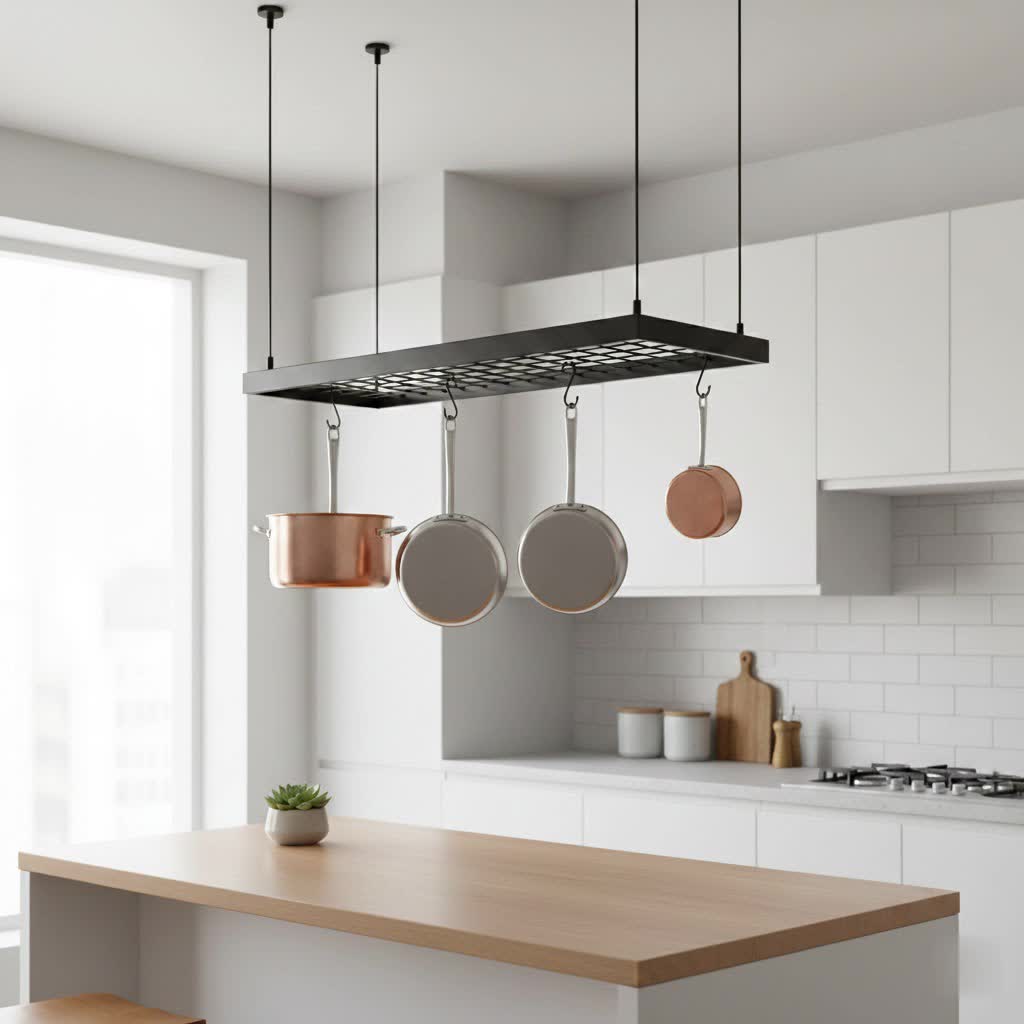
Tired of cluttered countertops and rummaging through cabinets for your favorite pan? A pot rack can be a transformative addition to any kitchen, offering both practical storage and a charming aesthetic. However, getting the hanging height just right is crucial. Too high, and your pots are out of reach; too low, and you risk bumping your head or obstructing your view. This comprehensive guide will walk you through everything you need to know about determining the perfect pot rack height for your unique kitchen space, ensuring both convenience and safety.
Why Pot Rack Height Matters
Table is empty.The precise placement of your pot rack impacts several key aspects of your kitchen’s usability and appeal. Firstly, ergonomics are paramount; an ideally positioned pot rack allows for easy, strain-free access to your cookware, making cooking more enjoyable and efficient. Secondly, safety is a major concern; a rack hung too low can become a head hazard, while one not securely fastened can be dangerous. Thirdly, aesthetics play a significant role. A well-placed pot rack integrates seamlessly into your kitchen design, enhancing its visual appeal, whereas a poorly placed one can look awkward or overwhelm the space. Finally, functionality hinges on appropriate height, ensuring that the rack effectively frees up cabinet space and streamlines your cooking workflow without impeding movement.
Standard Pot Rack Hanging Height Guidelines
Determining the ideal height for your pot rack involves balancing practicality, safety, and visual harmony. While there’s no single “correct” answer, several standard guidelines can help you find the sweet spot for your kitchen.
General Rule of Thumb: A common recommendation is to hang the bottom of your pot rack, or the lowest hanging pot, approximately 24 to 30 inches above any countertop or island surface it might be located over. This allows for comfortable reach while preparing food below.
Above an Island or Peninsula: If your pot rack is destined for above a kitchen island or peninsula, you might aim for a slightly higher clearance, often in the range of 30 to 36 inches above the surface. This extra space helps to maintain an open feel, prevents obstruction of views, and provides ample head clearance, especially in active cooking zones.
Above a Walkway: For pot racks situated over a high-traffic area or a main kitchen walkway, safety is the primary consideration. The lowest point of the pot rack, including any hanging pots, should be at least 6 feet 6 inches (or 78 inches) from the floor. This minimizes the risk of people bumping their heads as they move through the kitchen.
From the Ceiling: The distance from the ceiling will naturally depend on your ceiling height and the drop length of your specific pot rack. Ensure there’s enough room for your tallest pots to hang without touching the ceiling, but also consider the overall aesthetic; a very long drop in a low-ceilinged kitchen can feel overwhelming.
User Height Considerations: Ultimately, the most ergonomic height is one that feels comfortable for the primary user of the kitchen. Test different heights by holding a pot at arm’s length to gauge easy access without stretching or bending excessively. Tailoring the height to your personal reach is key for everyday convenience.
Types of Pot Racks and Height Considerations
The type of pot rack you choose will also influence the best approach to determining its hanging height. Each style comes with its own set of considerations for optimal placement and functionality.
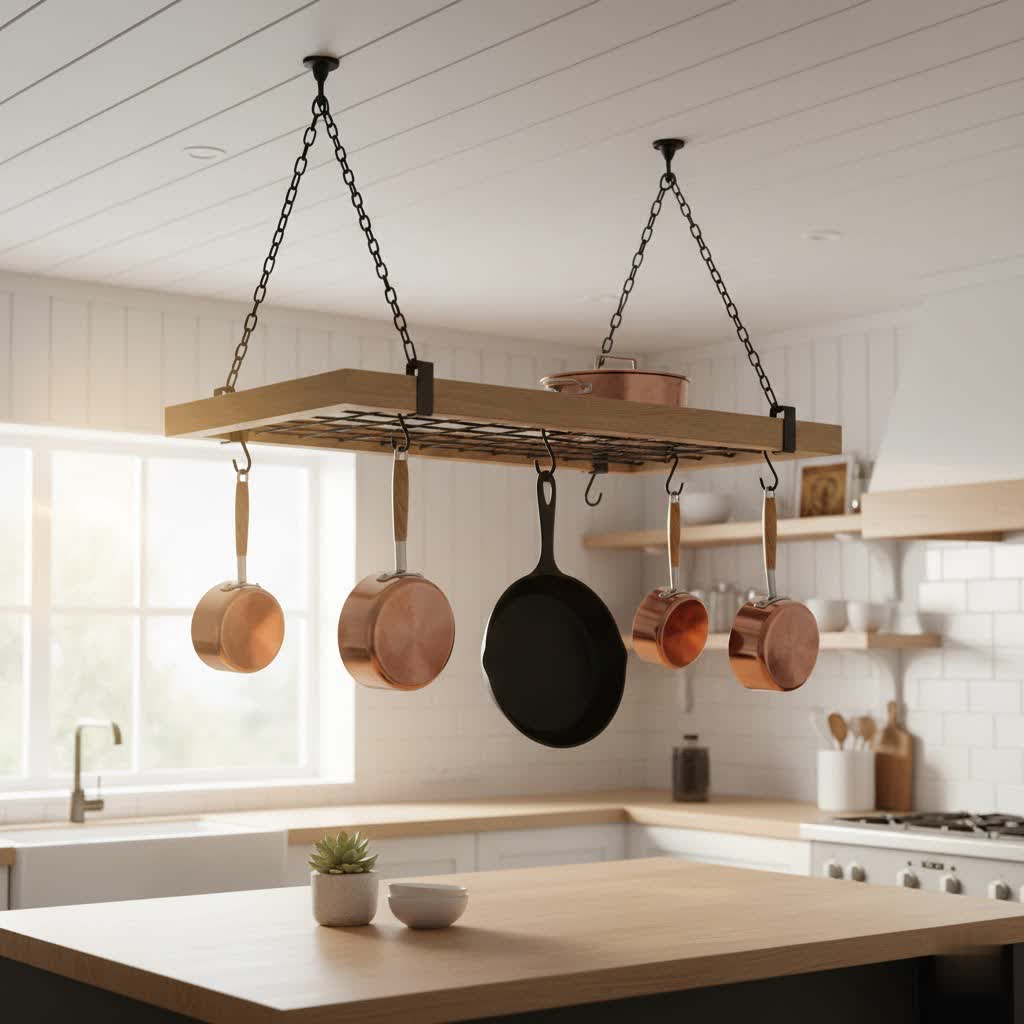
Ceiling-Mounted Pot Racks: These are a popular choice, especially over kitchen islands or in open-plan kitchens, offering a striking focal point. For ceiling-mounted racks, the height is typically adjusted using chains or rods. You’ll need to ensure your ceiling can support the weight of the rack and your cookware, often requiring installation into ceiling joists or using appropriate anchors. The primary height considerations here are maintaining adequate clearance above surfaces and walkways, as discussed earlier, and ensuring the rack doesn’t visually dominate the space.
Wall-Mounted Pot Racks: Ideal for smaller kitchens or those without an island, wall-mounted racks save valuable cabinet space and keep cookware within easy reach. Since they attach directly to a wall, their height is largely determined by the available wall space and the user’s reach. Common placements include above a stove, sink, or an unused section of wall. Ensure the rack is installed into wall studs for maximum stability and support. When deciding on height, consider how it aligns with adjacent cabinetry and appliances for a cohesive look.
Freestanding/Floor Pot Racks: These versatile racks do not require installation and can be moved as needed. Their height is fixed by their design, so the key consideration is placement within the kitchen. Position them where they won’t obstruct pathways or workflow, ideally in a corner or an accessible, less-trafficked area. They are excellent for renters or those who prefer not to make permanent changes to their kitchen.
Corner Pot Racks: Designed to maximize often underutilized corner spaces, these racks are typically wall-mounted. Similar to standard wall-mounted racks, their height is dictated by the dimensions of the corner and the user’s reach. They are a smart solution for kitchens where every inch of storage counts, allowing pots and pans to be easily accessed from two directions.
Buying Guide: Choosing the Right Pot Rack for Your Space and Height Needs
Selecting the perfect pot rack involves more than just aesthetics; it’s about finding a functional piece that fits seamlessly into your kitchen’s architecture and your cooking habits. Here’s a detailed guide to help you make an informed decision:
- Assess Your Kitchen Layout and Traffic Flow: Begin by evaluating your kitchen. Do you have an island, a peninsula, or vast wall space? Are there high-traffic zones where a hanging rack might impede movement? Consider ceiling height – very high ceilings offer more flexibility, while lower ceilings might lean you towards wall-mounted options.
- Measure Your Space Accurately: This is perhaps the most critical step. Measure the available vertical space from your countertop or island surface to the ceiling. If over a walkway, measure from the floor. These measurements will help you determine the maximum drop length or overall height your pot rack can accommodate without creating hazards.
- Consider Your Personal Height and Reach: The most ergonomic pot rack is one that’s easy for you (and other primary users) to reach. Stand in the proposed installation spot and extend your arm comfortably. The lowest part of your pot rack should be within this comfortable reach zone, preventing strain or the need for a step stool.
- Evaluate Pot Rack Dimensions: Pay attention to the length, width, and specified drop of the pot rack itself. Some racks are designed to hang closer to the ceiling, while others have longer chains or rods. Ensure the dimensions of the rack fit proportionally within your measured space, without looking too small or too large.
- Check Material and Weight Capacity: The material (e.g., stainless steel, wrought iron, wood) affects both aesthetics and durability. Crucially, ensure the pot rack can safely bear the total weight of your heaviest pots and pans. Always check the manufacturer’s stated weight capacity and choose one that exceeds your estimated load.
- Read Reviews and Compare Prices: Before making a purchase, read customer reviews to gauge real-world performance and ease of installation. Compare prices from reputable retailers to ensure you’re getting a high-quality product at a fair price.
“A pot rack isn’t just about storage; it’s about integrating functionality and style seamlessly into your culinary workspace. The ideal height creates a flow that feels intuitive, making your kitchen more inviting and efficient.” – Alex Chen, Lead Kitchen Designer, DesignBuild Innovations
Conclusion
Finding the “standard” height for your pot rack is less about a rigid rule and more about a thoughtful consideration of your unique kitchen, your personal needs, and the specific pot rack you choose. By carefully assessing your space, measuring accurately, and prioritizing both ergonomics and safety, you can install a pot rack that not only frees up valuable kitchen real estate but also enhances the overall aesthetic and functionality of your cooking haven. Take the time to plan, measure, and envision your new organized kitchen. What is the one change that will make your kitchen more organized today?
Frequently Asked Questions
How high should a pot rack hang from the ceiling?
The distance a pot rack hangs from the ceiling largely depends on your ceiling height and the rack’s design. Generally, ensure enough clearance for your tallest pots to hang without touching the ceiling, while also adhering to safety guidelines for clearance above countertops (24-30 inches) and walkways (at least 6 feet 6 inches from the floor).
Can a pot rack be too low?
Yes, a pot rack can definitely be too low. If it hangs too low, it can become a head hazard, obstruct your line of sight, or impede movement around your kitchen. It can also make it awkward to work on countertops or islands directly beneath it. Aim for a comfortable reach and ample clearance.
What if I have low ceilings in my kitchen?
For kitchens with low ceilings, wall-mounted pot racks are often a more practical and aesthetically pleasing solution. If you still prefer a ceiling-mounted rack, look for designs with minimal drop or consider hanging it closer to a wall rather than directly over a high-traffic area, ensuring the lowest pot still clears head height.
How do I ensure safety when hanging a pot rack?
To ensure safety, always install your pot rack into ceiling joists or wall studs, or use heavy-duty toggle anchors appropriate for your ceiling/wall material. Make sure the rack’s weight capacity exceeds the total weight of your pots and pans, and double-check all connections before loading it. Regular checks for stability are also advisable.