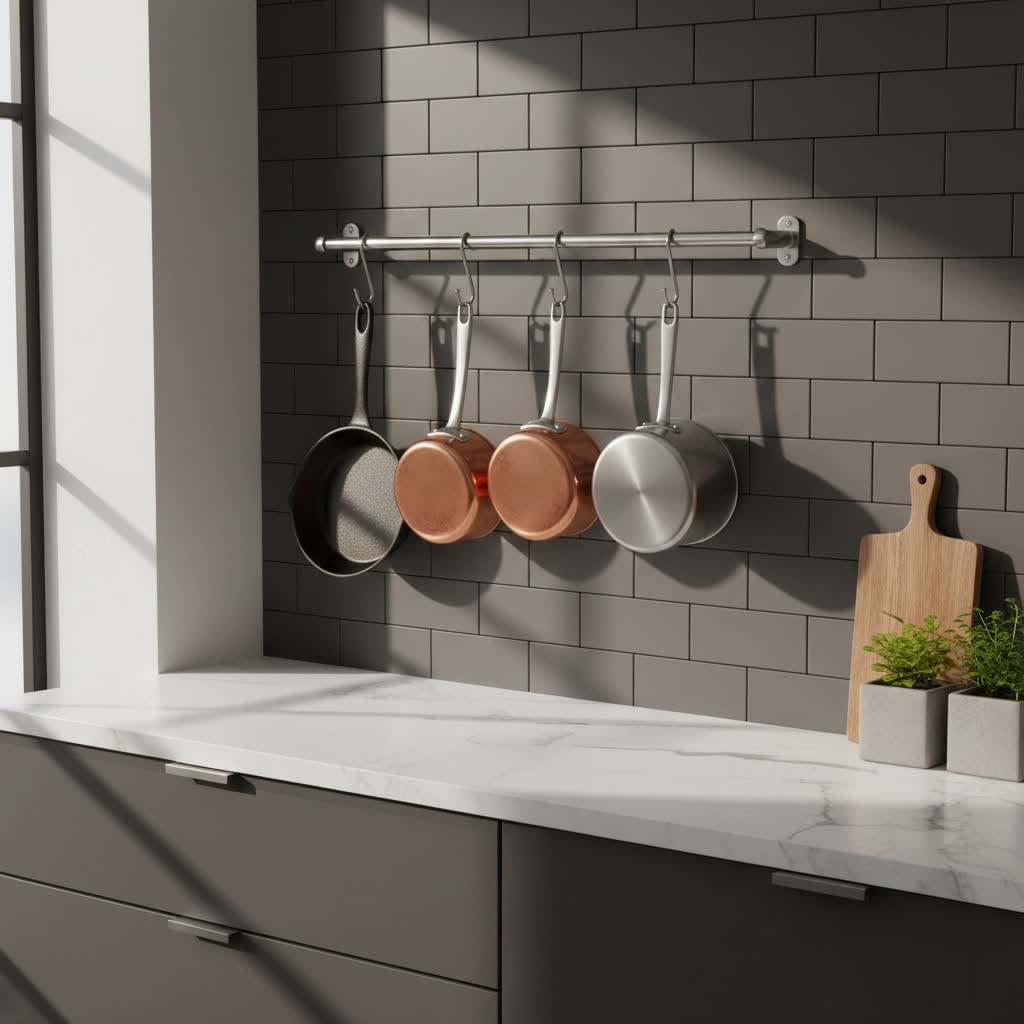
Do you have an old, rusted pot rack tucked away, longing for a new life in your kitchen? That forgotten piece of culinary history often holds a unique charm and practical value that modern alternatives simply can’t match. Restoring a vintage pot rack isn’t just a DIY project; it’s a journey to reclaim functionality, add a touch of timeless elegance to your space, and embrace sustainability by giving a beloved item a second chance. With a little effort and the right approach, you can transform a rusty relic into a gleaming centerpiece, ready to organize your pots and pans with style. This guide will walk you through every step, ensuring your restoration project is a resounding success.
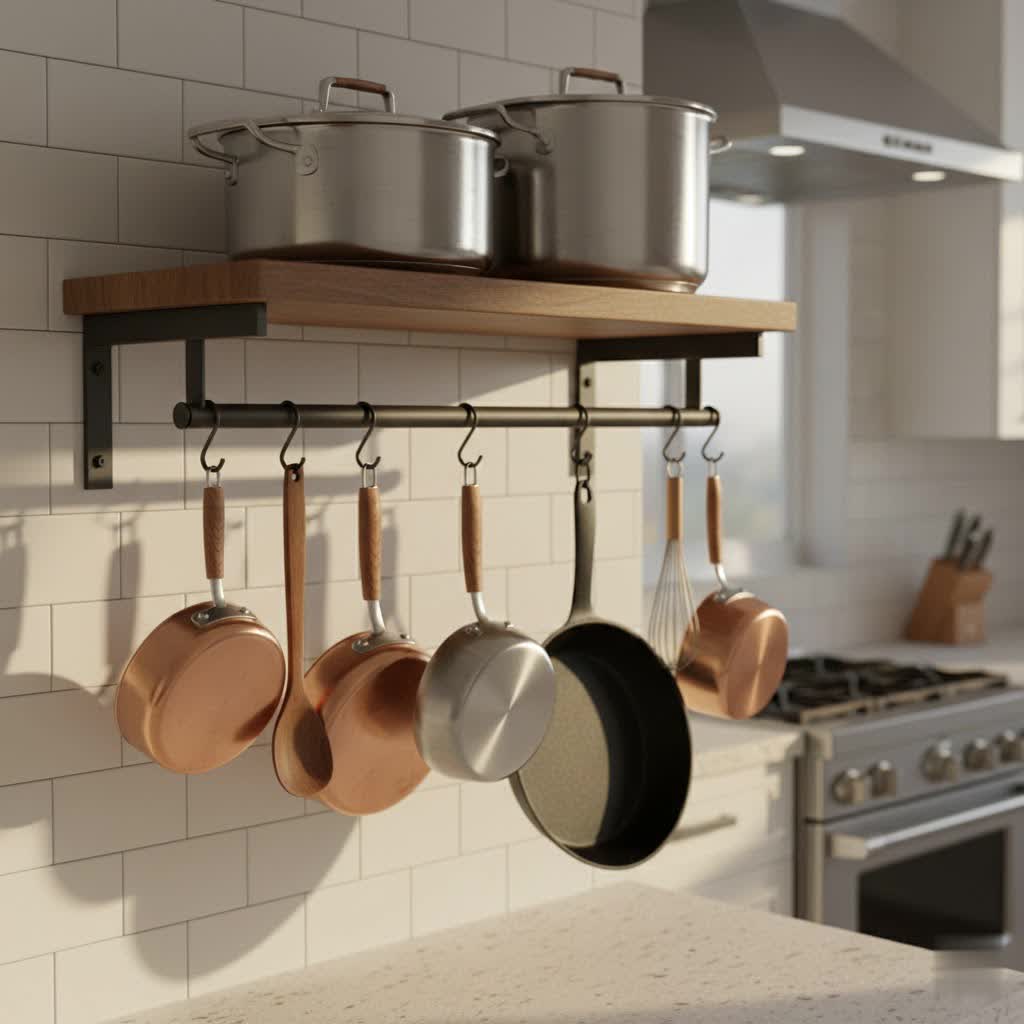
Why Restore Your Pot Rack? Unlocking Its Hidden Potential
Beyond merely fixing a rusty item, restoring a vintage pot rack offers a wealth of benefits. Firstly, it’s an incredibly effective way to free up precious kitchen cabinet space, making your culinary workflow smoother and more efficient. Imagine no longer rummaging through stacked cookware, but instead effortlessly grabbing the pan you need. Secondly, a well-restored pot rack serves as a stunning aesthetic focal point, instantly elevating your kitchen’s decor. Its unique character tells a story, adding a layer of warmth and history that mass-produced items lack. Lastly, it’s a wonderfully sustainable and cost-effective choice. Instead of buying new, you’re repurposing an existing item, saving money and reducing waste.
Assessing Your Vintage Treasure: Understanding Its Condition
Before diving into the restoration process, take a moment to closely examine your pot rack. Understanding its current state will help you choose the most effective restoration methods. Look for:
- Type of Rust: Is it superficial surface rust, or are there deeper patches of corrosion and pitting that may compromise the metal’s integrity?
- Original Finish: Is there any original paint or coating remaining, and is it flaking, chipped, or worn away?
- Material: Most vintage pot racks are made from wrought iron or steel. Identifying the material can sometimes influence the best rust removal and finishing products.
- Structural Integrity: Gently test the rack for any wobbles, loose joints, or bent components. Address any structural issues before moving to cosmetic restoration.
Gathering Your Toolkit: Essentials for a Successful Restoration
A successful DIY restoration hinges on having the right tools and materials at hand. Before you begin, gather these essentials:
Safety First
- Gloves: Protect your hands from rust, chemicals, and paint.
- Eye Protection: Essential when sanding, brushing, or spraying.
- Respirator Mask: Crucial when working with rust removers, primers, and spray paints to avoid inhaling fumes and dust.
Cleaning and Rust Removal
- Warm Soapy Water & Degreaser: For initial cleaning.
- Wire Brush (Manual or Drill Attachment): Excellent for removing loose rust and flaking paint.
- Steel Wool & Sandpaper (various grits: 120-grit, then finer): For smoothing surfaces and removing stubborn rust.
- Rust Converter (Optional): Chemically transforms rust into a stable, paintable surface.
- White Vinegar: A natural, effective rust remover for soaking smaller components.
Priming and Finishing
- Rust-Inhibiting Metal Primer: Such as White Knight Rust Guard All Purpose Primer, essential for adhesion and preventing future rust. Choose light grey for dark topcoats and white for light topcoats.
- Metal Spray Paint or Brush Paint: Rust-resistant options like Rust-Oleum are highly recommended. Select a color that complements your kitchen decor.
- Clear Protective Sealer (Optional): For added durability and shine, especially if the rack will be in a high-humidity area.
- Boiled Linseed Oil (for “Rustoration” look): If you prefer to preserve a natural, aged patina.
- Old Rags and Drop Cloths: For cleaning and protecting your work area.
The DIY Restoration Process: Step-by-Step Guide
With your supplies ready, it’s time to bring your pot rack back to life! Work in a well-ventilated area, ideally outdoors, or in a garage with open doors.
Step 1: Initial Cleaning and Disassembly
Start by thoroughly cleaning the pot rack. Use warm soapy water and a degreaser to remove any grease, grime, and loose dirt. For stubborn gunk, a stiff brush can be helpful. Rinse it well and allow it to dry completely. If your pot rack has removable chains, hooks, or decorative elements, disassemble them. This makes cleaning and painting each piece much easier.
Step 2: Conquering the Rust
This is the most critical phase. You have a few options for rust removal:
- Mechanical Removal: For general rust and flaking paint, use a wire brush. A wire brush attachment on a drill can significantly speed up this process, especially for larger or more intricately detailed racks. Follow up with 120-grit sandpaper to smooth out any remaining rough patches and expose the bare metal. Work systematically, ensuring all loose rust is gone.
- Chemical Rust Removal (Soaking): For smaller pieces or areas with extensive but not deeply pitted rust, soaking in white vinegar can be effective. Submerge the rusty parts in a vinegar bath for several hours or overnight. The acid in the vinegar will react with the rust, making it easier to scrub off with a wire brush or steel wool afterward. Rinse thoroughly to neutralize the acid and dry immediately to prevent flash rust.
- Rust Converters: These products chemically convert rust into a stable, black, paintable surface. They are ideal if you can’t remove all the rust mechanically, but ensure the surface is clean and free of loose rust before application.
“Thorough rust removal is the foundation of a lasting finish. Don’t rush this step, or you’ll be dealing with flaking paint and new rust spots sooner than you think.” – Maria Rodriguez, DIY Restoration Expert
Step 3: Surface Preparation for Adhesion
Once the rust is removed, the surface needs to be prepped for painting. If there’s any old, intact paint, lightly scuff it with sandpaper (around 120-grit) to create a good “key” for the primer to adhere to. Wipe down the entire pot rack with a clean, damp cloth to remove any dust or sanding residue, then allow it to dry completely. Any lingering dust will prevent the primer and paint from bonding properly.
Step 4: Priming for Protection
Apply a high-quality rust-inhibiting metal primer. This step is non-negotiable for durability. Primer creates a protective barrier, seals the metal, and provides an ideal surface for the topcoat to adhere to, actively preventing rust from returning. Apply in thin, even coats, following the manufacturer’s instructions for drying times between coats. Use a white primer for lighter topcoats and a light grey primer for darker ones.
Step 5: Painting for Style
Once the primer is fully dry, it’s time for the aesthetic transformation. Using your chosen metal paint (spray or brush-on), apply several thin, even coats. Spray paint is often preferred for intricate designs, providing a smooth, factory-like finish. Maintain a consistent distance when spraying to avoid drips and uneven coverage. Allow each coat to dry thoroughly before applying the next. Building up thin layers will result in a much more durable and professional-looking finish than one thick coat.
Step 6: Optional Clear Coat for Added Durability
For extra protection against scratches, moisture, and wear, especially in a busy kitchen environment, consider applying a clear protective sealer as a final topcoat. A UV-resistant clear coat is beneficial if your pot rack will be exposed to sunlight. This step enhances durability and can add a subtle sheen to your finished piece.
Step 7: Reassembly and Enjoyment
Once all paint and sealers are completely cured (which can take 24-72 hours, depending on the products and humidity), reassemble any detached components. Rehang your beautifully restored vintage pot rack, arrange your pots and pans, and admire your handiwork.
Embracing the Patina: The “Rustoration” Approach
Not everyone wants a brand-new look. Sometimes, the aged patina of rust tells a story you want to preserve. This “rustoration” approach involves cleaning and stabilizing the existing rust rather than removing it entirely.
After cleaning and wire brushing off loose rust, instead of priming and painting, you can apply boiled linseed oil. This oil penetrates the metal, darkens the rust, and provides a protective layer that stabilizes the patina and prevents further corrosion. Apply in thin coats with a rag, wiping off any excess after 15-30 minutes. Be sure to dispose of oil-soaked rags properly, as they can be a fire hazard. This method creates a rustic, authentic look that many vintage enthusiasts adore.
Common Restoration Pitfalls to Avoid
- Inadequate Rust Removal: Skipping steps or not thoroughly removing rust will lead to the new paint flaking off quickly.
- Poor Surface Preparation: Dust, grease, or an unscuffed surface will prevent primer and paint from adhering properly.
- Rushing Drying Times: Always allow each coat (primer, paint, sealer) to dry completely as per manufacturer instructions. Impatience leads to tacky finishes and poor durability.
- Working in Poor Ventilation: Chemical fumes from paints and primers require a well-ventilated area for safety and proper curing.
Conclusion
Restoring an old, rusted vintage pot rack is a deeply satisfying DIY project that combines practicality with aesthetic pleasure. By carefully cleaning, removing rust, priming, and painting, you not only extend the life of a valuable piece but also infuse your kitchen with character and a personal touch that store-bought items simply can’t replicate. Whether you opt for a sleek, modern finish or embrace the rustic charm of a stabilized patina, your refurbished pot rack will stand as a testament to your creativity and dedication. So, why let that vintage gem gather dust when it could be proudly displaying your cookware? What story will your restored pot rack tell in your kitchen?
Frequently Asked Questions
How long does it typically take to restore a rusted pot rack?
The duration depends on the size of the pot rack, the extent of the rust, and the drying times of the products used. Generally, you can expect the process to take anywhere from a full day of active work spread over a few days (to allow for drying) to a weekend.
Can I use regular spray paint, or do I need special metal paint?
It’s highly recommended to use spray paint specifically formulated for metal, especially those with rust-inhibiting properties (like Rust-Oleum). Regular paints may not adhere as well or offer the same level of rust prevention and durability.
When should I consider professional sandblasting for my pot rack?
If your pot rack is extremely valuable, heavily pitted with rust that is difficult to remove mechanically, or has intricate details that are hard to reach, professional sandblasting can be a good option. It’s often more expensive but provides a pristine, bare metal surface for restoration.
Is it safe to hang heavy pots on a restored pot rack?
Always ensure the pot rack’s structural integrity is sound before restoration. After painting, make sure all components are securely reassembled and cured. If the metal was significantly compromised by rust, even restoration might not fully guarantee its original weight-bearing capacity. When in doubt, err on the side of caution.