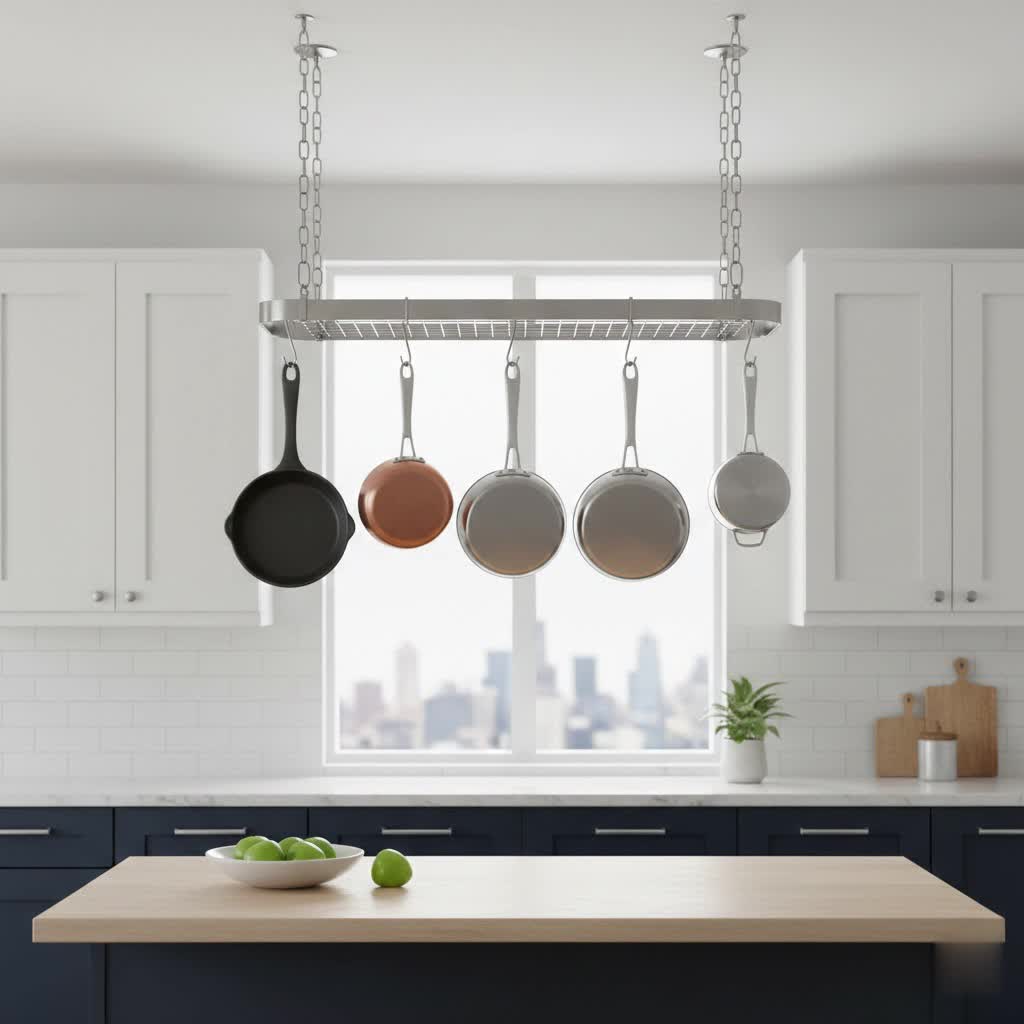
A pot rack is a fantastic addition to any kitchen, transforming clutter into a stylish, organized display. It frees up valuable cabinet space and keeps your essential cookware within easy reach. However, a wobbly or unbalanced pot rack can quickly turn this convenience into a safety hazard and an eyesore. Achieving perfect balance isn’t just about aesthetics; it’s about ensuring stability, maximizing longevity, and protecting your kitchen from potential damage. Whether you’re installing a new rack or troubleshooting an existing one, understanding the principles of proper balancing is crucial for a secure and functional kitchen centerpiece.
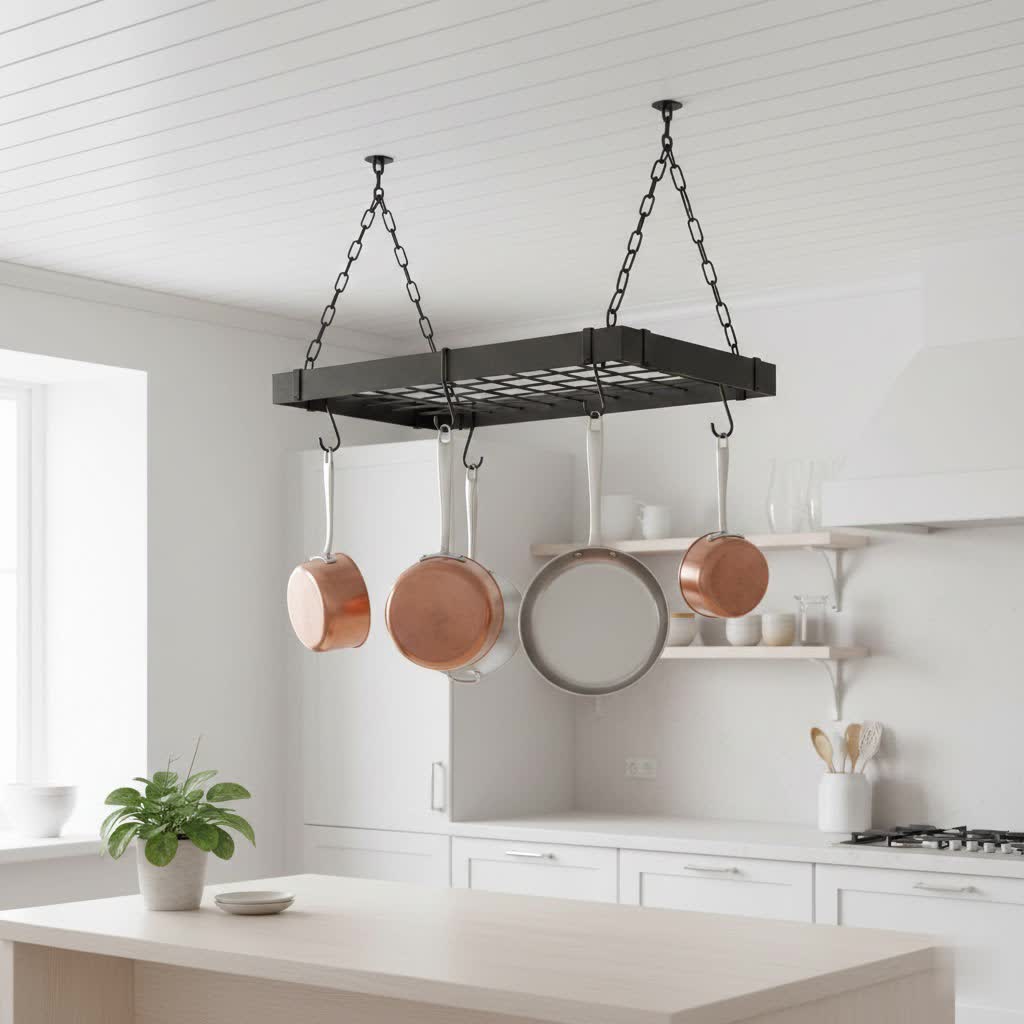
Why a Perfectly Balanced Pot Rack Matters
Beyond simply looking good, a well-balanced pot rack offers several significant advantages that contribute to a safer, more efficient kitchen.
- Safety First: The most critical reason for proper balance is safety. An unevenly weighted or unstable pot rack risks collapsing, potentially causing serious injury and damage to your expensive cookware and flooring. Even minor wobbling can lead to pots slipping off, creating hazards below.
- Optimized Organization and Accessibility: A stable rack allows you to neatly organize your pots and pans, making them easy to see and grab. When balanced, each hook holds its item securely, preventing tangles and making your cooking process smoother and more enjoyable.
- Extending Longevity: Consistent balance prevents undue stress on the rack’s frame, mounting hardware, and ceiling structure. Evenly distributed weight minimizes wear and tear, extending the lifespan of your pot rack and the integrity of its mounting points, saving you from premature replacements or repairs.
- Enhanced Kitchen Aesthetics: A perfectly level and balanced pot rack instantly elevates the visual appeal of your kitchen. It transforms a functional storage solution into a decorative element, showcasing your cookware beautifully and contributing to a tidy, professional look.
Key Factors for a Stable Pot Rack Installation
The foundation of a balanced pot rack lies in its initial installation. Proper mounting and the right hardware are non-negotiable for long-term stability.
Securing to Ceiling Joists or Wall Studs
For any hanging storage, particularly one holding significant weight, anchoring to a structural element is paramount. Your ceiling or walls are typically composed of drywall or plaster over wooden beams (joists in ceilings, studs in walls). These robust structural components are designed to bear weight.
- Locate Joists/Studs: Use a reliable stud finder to meticulously locate the exact center of your ceiling joists or wall studs. Mark these locations clearly.
- Drill Pilot Holes: Once identified, drill pilot holes. These holes should be slightly smaller than your mounting screws or lag bolts to ensure a tight, secure fit.
- Use Wood Blocking (if necessary): If your desired pot rack location doesn’t align perfectly with joists, or if you’re installing a particularly heavy rack, you might need to add wood blocking (e.g., 2-by-4s) between joists in the attic space to create secure anchor points. This reinforcement provides a robust base for your mounting hardware.
Utilizing Appropriate Mounting Hardware
The type of hardware you use plays a significant role in the pot rack’s stability. Never rely solely on drywall anchors for heavy pot racks.
- Lag Bolts and Eye Bolts: These are ideal for ceiling-mounted racks. Lag bolts screw directly into wood joists, offering immense strength. Eye bolts can then be threaded into the lag bolts or directly into joists, providing a loop for chains or rods.
- Heavy-Duty Toggle Bolts or Molley Bolts: If direct access to joists isn’t possible and you absolutely cannot add blocking, specific heavy-duty toggle or molley bolts designed for substantial weight in drywall can be an alternative, but always check their weight rating carefully and ensure it exceeds your rack’s loaded weight. These are generally less secure than direct joist attachment.
- Manufacturer-Provided Hardware: Always start by reviewing the hardware supplied by the pot rack manufacturer. It’s typically designed for the rack’s specific weight and structure. However, if you suspect it’s inadequate for your ceiling or wall material, upgrade to more robust options.
Ensuring a Level Installation
A level rack is inherently more stable and visually appealing.
- Use a Level: Before drilling any holes, use a long spirit level or even a reliable smartphone leveling app to ensure your marks are perfectly horizontal and vertical where necessary. For ceiling racks, this means ensuring all anchor points are equidistant from the floor and level with each other.
- Measure Twice, Drill Once: Carefully measure the distance between the hanging chains or support points on your pot rack and transfer these measurements accurately to your marked ceiling or wall. Precision during installation prevents the rack from tilting from the start.
Step-by-Step Guide to Balancing a Hanging Pot Rack
Once your pot rack is securely installed, the next crucial step is achieving perfect balance through careful weight distribution and adjustments.
1. Assess the Current State
Before you start hanging your cookware, take a moment to evaluate the empty pot rack. Does it hang perfectly level, or is there a noticeable tilt? Give it a gentle nudge. Does it sway excessively or feel firmly planted? This initial assessment helps identify any inherent imbalances from installation that might need minor adjustments to the chains or rods before adding weight. Listen for any creaking noises, which can indicate a weak point in the installation.
2. Distribute Weight Evenly
This is the cornerstone of a balanced pot rack. The goal is to spread the load as uniformly as possible across the entire rack.
- Start with Heaviest Items: Begin by hanging your heaviest pots and pans (cast iron, Dutch ovens) first. Position them towards the center of the rack and distribute them symmetrically. If you place a heavy pot on one side, try to counter it with a similar weight on the opposite side.
- Work Outwards: Once the heaviest items are in place, gradually add medium-weight and then lighter items. Continue to distribute them to maintain overall equilibrium.
- Use Corners and Edges Strategically: Don’t neglect the corners and edges. Smaller, lighter items like lids, spatulas, or smaller saucepans can fill these spaces, helping to spread the weight more broadly.
- Visual Cues: Step back frequently to observe the rack. Does it look visually balanced? Often, what looks balanced is indeed balanced.
3. Adjust Chains or Rods
Most hanging pot racks use chains or adjustable rods to suspend them. These can be fine-tuned to correct any tilt.
- Shorten or Lengthen: If one side of the rack is dipping, you’ll need to either shorten the chain on that side slightly or lengthen the chain on the opposite side. Many chains have removable links or adjustable clips that allow for precise adjustments. For rod-supported racks, this might involve adjusting threaded connectors.
- Small Increments: Make very small adjustments at a time. A quarter-inch change can significantly impact the rack’s levelness. Adjust, then re-evaluate.
- Enlist a Helper: Having a second person to hold the rack steady or give feedback on its levelness can make this process much easier and safer.
4. Test for Stability
Once you believe the rack is balanced, it’s crucial to test its stability under a full load.
- Gradual Weighting: If you removed everything for adjustment, re-hang items gradually, following the even distribution principle.
- Gentle Shake Test: Once fully loaded, give the rack a gentle, deliberate shake. It should feel solid and exhibit minimal sway or wobbling. Any significant movement indicates an issue that needs immediate attention, whether it’s an imbalance in weight or a structural problem with the mounting.
- Listen for Sounds: Pay attention to any creaking, groaning, or straining noises. These sounds are critical indicators of excessive stress on the rack or its mounting, suggesting the weight limit might be exceeded or there’s an underlying installation flaw. A good rule of thumb is to keep the total weight under 200 lbs.
5. Troubleshooting Sway and Wobble
Even with careful balancing, some pot racks, especially those with long chains, might exhibit a slight sway.
- Consider Rods or Pipes: If your rack uses chains and sways excessively, consider replacing the chains with rigid metal rods or pipes. Rods offer superior stability and virtually eliminate sway.
- Diagonal Chains/Bracing: For existing chain-supported racks, adding two diagonal chains or metal braces from the ceiling anchor points to the rack’s corners can significantly reduce lateral movement. This creates a more triangular, stable support structure.
- Wall Mounting: If ceiling sway remains an issue, and your kitchen layout allows, consider a wall-mounted pot rack. These generally offer more inherent stability against swaying.
Maintaining Your Pot Rack’s Balance
Balancing a pot rack isn’t a one-time task; it’s an ongoing process. Regular maintenance ensures continued safety and functionality.
- Routine Checks: Periodically check the stability of your pot rack, especially after rearranging cookware. Give it a gentle tug to ensure it remains firm, without wobbling or shifting. Listen for any new creaking sounds.
- Cleanliness: Grease and dust accumulation can surprisingly affect the integrity of hooks and the rack itself, potentially leading to slippage. Regularly clean your pot rack, including the mounting brackets, using a mild solution and non-abrasive tools.
- Inspect Hardware: Over time, mounting brackets, chains, and hooks can show signs of wear, damage, or bending. Inspect these components regularly for any fatigue or compromise, replacing them immediately if issues are found.
Common Mistakes to Avoid
Ensuring your pot rack remains a safe and attractive feature means steering clear of common pitfalls.
- Overloading the Rack: Every pot rack has a weight limit. Exceeding it puts undue stress on the entire system, leading to instability, sagging, and potential collapse. Always be mindful of the combined weight of your cookware.
- Ignoring Installation Instructions: Manufacturers provide guidelines for a reason. Deviating from these, especially regarding hardware and mounting techniques, can compromise stability.
- Hanging Over Cooktops: While convenient, hanging pots directly over a stovetop or range is not recommended. Pots can become hot to the touch, collect grease and splatters, and create a reaching hazard over hot surfaces.
- Uneven Initial Installation: Starting with an unlevel rack makes achieving balance nearly impossible. Take the time to ensure the rack itself is perfectly level before adding any weight.
- Neglecting Maintenance: The “set it and forget it” mentality is dangerous for pot racks. Regular checks and adjustments are essential for long-term safety.
- Poor Aesthetic Choices: A pot rack that is too large or too small for your kitchen, or hung at an inaccessible height, can detract from the overall look and functionality. Consider the scale and proportion of the rack relative to your kitchen space.
“A well-balanced pot rack is a testament to mindful kitchen design. It’s not just about storage; it’s about seamless functionality and safety, transforming your everyday cooking experience.” – Admin, reviewhubn.com, Kitchen Equipment Specialist
Conclusion
Achieving a perfectly balanced hanging pot rack is a blend of careful installation, intelligent weight distribution, and diligent maintenance. By ensuring secure mounting to structural supports, using appropriate hardware, meticulously leveling the rack, and distributing your cookware evenly, you create a safe, organized, and aesthetically pleasing focal point in your kitchen. Remember to perform regular checks and address any wobbles or creaks promptly. With these practices, your pot rack will serve as a reliable and stylish storage solution for years to come. What unique tips have you found most effective for keeping your pot rack perfectly balanced?
Frequently Asked Questions
How do I know if my pot rack is securely installed?
A securely installed pot rack should feel firm with no wobbling, shifting, or noticeable movement even when empty or with light objects attached. Give it a gentle shake; if it creaks or moves significantly, it needs reinforcement or re-installation, likely anchored to ceiling joists.
Can I hang a pot rack if I don’t have ceiling joists in the right spot?
Yes, but it requires extra steps. You may need to install wood blocking (e.g., 2x4s) between existing joists in the attic or ceiling space to create secure anchor points for your pot rack. Always ensure these blocks are firmly attached to the main joists.
What’s the maximum weight a pot rack can typically hold?
While it varies by model and installation, a general rule of thumb for a well-installed pot rack is to keep the total weight of your cookware under 200 pounds. Always check the manufacturer’s specific weight limit for your rack.
How often should I check my pot rack for balance and stability?
It’s advisable to perform a quick stability check (a gentle tug and visual inspection) every few months, and especially after you’ve significantly rearranged or added new cookware. Look for any signs of sagging, tilting, or loose connections.
My pot rack sways too much. How can I fix it?
Excessive sway can often be reduced by using more rigid support. Consider replacing chains with metal rods, or adding diagonal chains or bracing from the ceiling anchors to the pot rack’s corners. This creates a more stable, non-swinging structure.