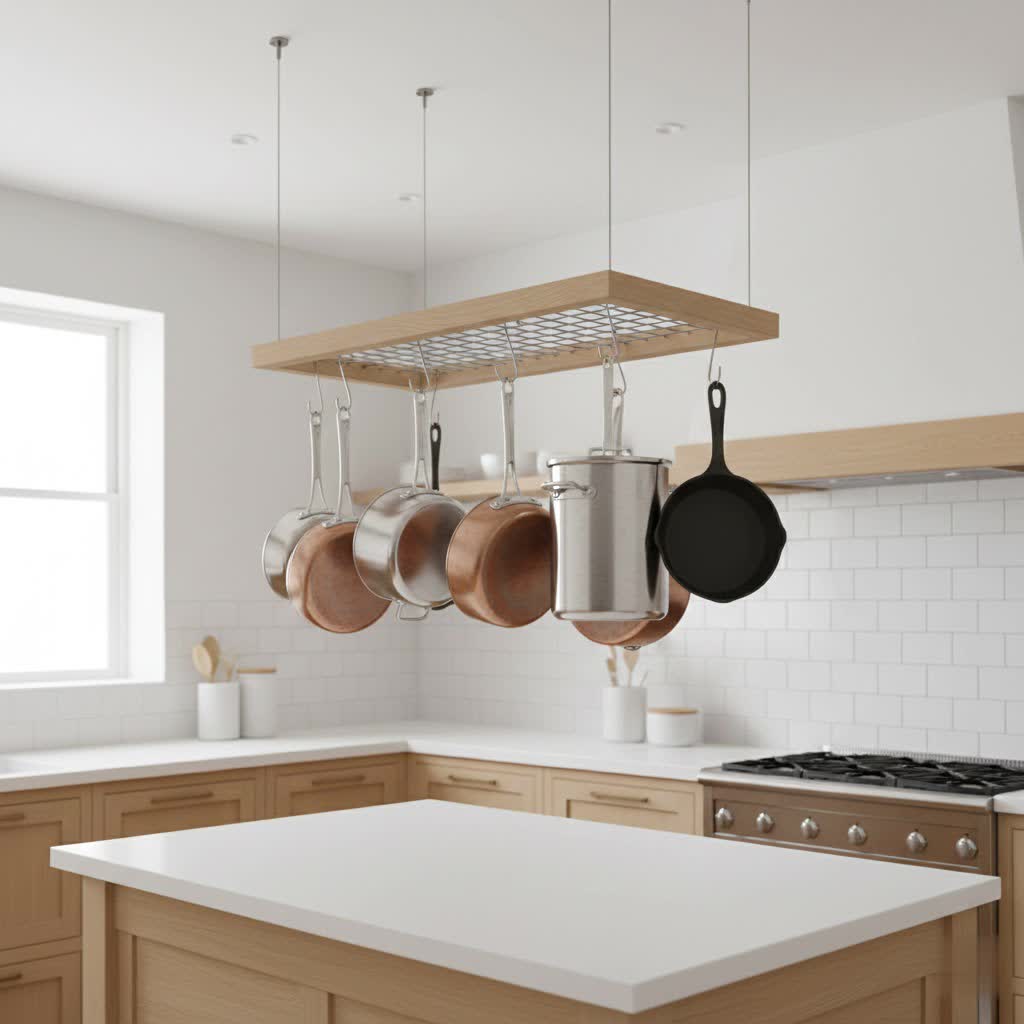
Stepping into a kitchen where every pot and pan has its designated place is a dream for many home cooks. If you’ve ever wrestled with overflowing cabinets or searched endlessly for a specific lid, you know the frustration. A well-organized pot rack isn’t just about aesthetics; it’s about transforming your cooking experience, making it more efficient and enjoyable. With a thoughtful approach to arrangement, considering both the size and frequency of use for your cookware, you can unlock a new level of kitchen serenity. Let’s dive into the art of optimizing your pot rack for seamless culinary adventures.
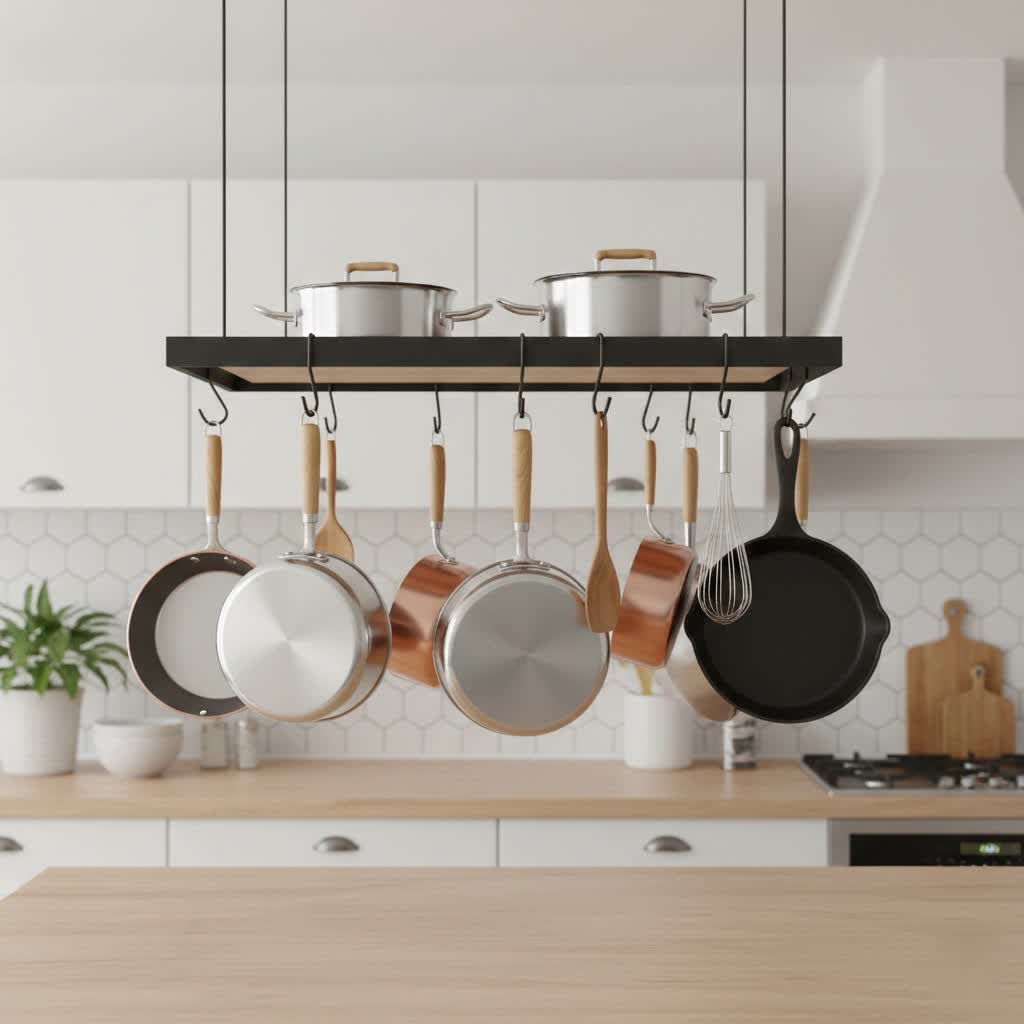
The Indispensable Role of a Pot Rack in Your Kitchen
A pot rack is far more than a simple storage solution; it’s a strategic tool for enhancing kitchen functionality and visual appeal. It tackles common kitchen woes head-on, from cramped cabinets to misplaced lids, by intelligently utilizing vertical space.
First and foremost, a pot rack excels at freeing up valuable cabinet and drawer space. Instead of stacking pots and pans in a jumbled mess that makes retrieving any single item a precarious balancing act, a rack lifts them out of the way. This leaves precious lower storage for other kitchen essentials, maximizing your existing layout.
Beyond creating space, a pot rack dramatically improves the organization of your cookware. Each pot, pan, and lid can have its own hook or designated spot, eliminating the need to dig through piles. This systematic approach ensures that you can instantly locate the item you need, streamlining your cooking process from prep to plating.
The ease of finding and using your pots and pans is another significant benefit. When cookware is openly displayed and within arm’s reach, you’re more likely to use your full collection. This accessibility encourages culinary creativity, as you won’t hesitate to grab that specialty pan for an impromptu dish.
Finally, a well-chosen pot rack can create a stunning aesthetic focal point in your kitchen. Whether it’s a sleek modern design, a rustic wrought iron piece, or a warm wooden structure, a pot rack can complement your kitchen decor, turning everyday items into a display of culinary prowess. It adds character and a professional touch, making your kitchen feel more intentional and inviting.
Popular Types of Pot Racks
The market offers a diverse range of pot racks, each designed to suit different kitchen layouts, storage needs, and aesthetic preferences. Understanding the unique characteristics of each type is the first step in choosing the perfect fit for your home.
Ceiling-Mounted Pot Racks
These are perhaps the most iconic type, often seen hanging over kitchen islands or peninsulas.
- Advantages: They are excellent for utilizing overhead space, especially in kitchens with high ceilings. They can bear substantial weight, making them ideal for large or heavy cookware collections. Visually, they create a grand statement and allow access from multiple sides.
- Disadvantages: Installation typically requires locating ceiling joists for secure mounting, which can be more complex. They might obstruct views or natural light if not strategically placed.
- Best For: Spacious kitchens, open-plan designs, or homes with limited wall and cabinet space, particularly those with kitchen islands.
Wall-Mounted Pot Racks
As the name suggests, these racks attach directly to a kitchen wall, offering a straightforward and often space-saving solution.
- Advantages: Easy to install on available wall space, making them suitable for smaller kitchens or areas without overhead hanging options. They keep cookware within easy reach and can be positioned near the stove or prep areas.
- Disadvantages: Limited by available wall space and the weight capacity of the wall studs. They may not hold as many items as larger ceiling racks.
- Best For: Compact kitchens, kitchens with limited ceiling height, or those looking to add functional decor to an empty wall.
Freestanding Pot Racks
These independent units stand on the floor and can be moved around the kitchen as needed.
- Advantages: Highly versatile and portable, requiring no installation. They can offer shelving in addition to hooks, providing varied storage. Ideal for renters or those who prefer flexible layouts.
- Disadvantages: They occupy floor space, which can be a premium in smaller kitchens. They may not be as robust as mounted options for extremely heavy pots.
- Best For: Renters, kitchens with ample floor space, or those needing flexible storage that can adapt to changing needs.
Corner Pot Racks
Designed to fit snugly into kitchen corners, these racks are champions of utilizing often-wasted space.
- Advantages: Maximizes awkward corner spaces, transforming them into functional storage. Can be wall-mounted or freestanding, offering different levels of convenience.
- Disadvantages: Access might be slightly more restricted for items deep within the corner. The specific dimensions of your corner are crucial for a proper fit.
- Best For: Kitchens with unused corner areas, especially smaller kitchens seeking to optimize every square inch.
Comparing Pot Rack Types for Optimal Arrangement
Choosing the right pot rack involves balancing its features with your specific kitchen needs and how you plan to arrange your cookware. This table provides a quick comparison to help you weigh the pros and cons of each type.
| Feature | Ceiling-Mounted Pot Rack | Wall-Mounted Pot Rack | Freestanding Pot Rack | Corner Pot Rack |
|---|---|---|---|---|
| Pros | High capacity, aesthetic focal point, multi-directional access | Space-saving, easy access, simple installation | Flexible, portable, additional shelving often available | Utilizes wasted corner space, can be compact |
| Cons | Complex installation, can obstruct views, requires high ceilings | Limited capacity, wall space dependent | Occupies floor space, less stable for very heavy loads | Access can be tricky, limited capacity, specific corner fit required |
| Best For | Large kitchens, kitchen islands, extensive cookware collections | Small kitchens, targeted storage near prep areas, decorative accents | Renters, flexible layouts, kitchens with extra floor space | Small kitchens, maximizing corner utility |
| Arrangement Impact | Allows for symmetrical or themed arrangements of varying sizes, lids often placed on top shelf. | Best for frequently used items, often arranged by size vertically or horizontally. | Mix of hanging and shelving for different sizes; often a mix of pots and other kitchen items. | Smaller items or less frequently used pots might fit better; requires careful selection to prevent clutter. |
How to Arrange Pots by Size and Use on Your Rack: A Comprehensive Guide
The true magic of a pot rack lies in how you arrange your cookware. A well-organized rack not only looks appealing but also makes your kitchen workflow incredibly smooth. Here’s how to master the art of arranging your pots by size and frequency of use.
1. Declutter and Prioritize
Before you hang anything, take stock of your current collection. Remove any damaged, unused, or duplicate items. Keep only the pots and pans you genuinely love and use. This initial purge is crucial for efficient organization. Identify your most frequently used pots and pans—these are your daily drivers, the ones that need to be within easiest reach. Less frequently used items can be placed in harder-to-reach spots.
2. The “Size-Down” Strategy
When arranging pots on hooks, especially on ceiling or wall-mounted racks, a “size-down” approach is highly effective.
- Largest at the Back/Top: Place your biggest, heaviest pots (like stockpots or Dutch ovens) at the back of the rack or on the upper tier of a shelf-style rack. This provides stability and prevents them from overshadowing smaller items. For hanging racks, consider placing the largest items on the outermost hooks, distributing weight evenly.
- Medium in the Middle: Your everyday saucepans and medium-sized frying pans can occupy the middle ground. They should be easily accessible but not dominate the rack.
- Smallest at the Front/Bottom: Small saucepans, egg pans, or butter warmers should be at the front or on lower hooks, making them effortless to grab for quick tasks.
3. Consider Frequency of Use
This principle works hand-in-hand with the size-down strategy.
- Daily Essentials: Your most-used skillet, a favorite saucepan, or the wok you use almost every day should be hung on the most accessible hooks. Think about the “grab-and-go” convenience. If you frequently use a set of pans together, try to group them so they are easily retrievable in sequence.
- Occasional Cookware: Specialty pans, large roasting pans, or holiday-specific items can be placed higher up, further back, or on less prominent hooks. While still on the rack, they won’t impede access to your daily essentials.
- Avoid Over the Cooktop: While tempting for convenience, avoid hanging pots directly over your stove or range. This can be a safety hazard (reaching over hot burners) and will result in your cookware constantly being coated with grease and splatters, requiring more frequent cleaning.
4. Smart Lid Storage
Pot lids are often the trickiest part of cookware organization. Here are a few strategies:
- On Top of Pots (Upside Down): If stacking pots in a cabinet, placing lids upside down on the rim of the pot provides a flat surface for nesting smaller pots on top and protects lid handles. This might also work for certain pot rack designs with flat surfaces.
- Dedicated Lid Organizers: Many pot racks come with dedicated slots or shelves for lids. If not, consider a separate wall-mounted lid rack or an in-drawer organizer.
- Hooks for Lids: Some hooks on your pot rack might be suitable for hanging lids, especially those with loop handles. This keeps them immediately visible and paired with their respective pots.
5. Group by Type or Material (Optional)
For those with extensive collections or specific cookware materials, grouping can further enhance organization:
- Cast Iron Together: Heavy cast iron skillets and Dutch ovens might be best grouped on stronger hooks or on a lower, sturdy shelf if your rack allows, both for stability and ease of handling.
- Non-Stick Care: Non-stick pans should be protected from scratches. If hanging them, ensure they don’t rub against other metal items. If stacking, always use pan protectors (felt pads or paper towels) between them.
- Matching Sets: If you have a matching cookware set, keeping them together can be aesthetically pleasing and make it easier to grab the right size within the set.
“A well-organized pot rack isn’t just about efficiency; it’s a reflection of a thoughtful approach to cooking. By arranging your pots by size and use, you create a visual symphony that inspires culinary creativity.” – Chef Antoine Dubois, Culinary Instructor and Kitchen Efficiency Expert
6. Leave Room to Breathe
Don’t overcrowd your pot rack. Leave a little space between each item to prevent scratching and to make it easier to pick up and put back cookware. An overly packed rack looks cluttered and defeats the purpose of organization. Aim for a balance between maximizing space and maintaining accessibility.
7. Maintain and Adjust
Your cooking habits and cookware collection might evolve over time. Periodically review your pot rack arrangement. Are you still using those items regularly? Is there a pot you now use more frequently that deserves a prime spot? Regular adjustments ensure your pot rack remains a highly functional and beautiful part of your kitchen.
Pot Rack Buying Guide: Key Considerations
Selecting the right pot rack for your kitchen goes beyond mere aesthetics. It involves practical considerations to ensure it serves your needs effectively and integrates seamlessly into your space.
- Assess Your Cookware Collection: Begin by counting your pots and pans, noting their sizes and weights. Do you have many large, heavy cast-iron pieces, or mostly lighter aluminum saucepans? This determines the necessary size and weight capacity of your rack.
- Measure Your Space: Accurately measure the area where you intend to install the rack. For ceiling racks, consider ceiling height and clearance over your island or counter. Ensure it won’t impede movement or block sightlines. For wall racks, measure available wall width and height. Remember to account for the hanging length of your largest pots.
- Choose the Right Type: Refer back to the types of pot racks (ceiling, wall, freestanding, corner) and select one that best suits your kitchen layout and your initial space measurements.
- Evaluate Material and Durability: Pot racks come in various materials, including stainless steel, wrought iron, wood, and copper. Stainless steel and wrought iron are highly durable and can support significant weight, ideal for heavy cookware. Wood offers a warmer, more rustic look but may have lower weight limits. Consider materials that complement your existing kitchen decor.
- Read Reviews and Check Brand Reputation: Always look for reviews from other users regarding ease of installation, stability, and long-term durability. A reputable brand often signifies better quality and customer support.
- Compare Prices: Pot rack prices can vary widely based on size, material, brand, and design complexity. Research different retailers and models to find a rack that offers the best value within your budget. Don’t compromise on safety or quality for a lower price.
Understanding Pot Rack Price Ranges
Pot racks are available across a spectrum of prices, reflecting differences in materials, size, design, and brand. Understanding these general categories can help set expectations when shopping.
- Budget-Friendly (Under $50): These typically include smaller wall-mounted bars, basic wire racks, or simple hanging hooks. They are often made from lighter metals or coated steel. While functional for lighter pots or smaller collections, their weight capacity and design may be more limited. These are great for college apartments or very minimal cookware sets.
- Mid-Range ($50 – $150): This category offers a broader selection of wall-mounted racks, smaller ceiling racks, and some compact freestanding models. Materials tend to be sturdier, such as polished stainless steel or wrought iron, with more diverse designs. You’ll find better craftsmanship and improved weight-bearing capabilities here, suitable for most average-sized kitchens and cookware collections.
- Premium ($150+): At the higher end, you’ll find large, elaborate ceiling-mounted racks, artisanal wrought iron designs, or those crafted from high-quality metals like hammered copper. These racks are built to be statement pieces, offering superior durability, robust weight capacity, and sophisticated aesthetics. They are an investment designed for extensive cookware collections and larger, more luxurious kitchens.
Top 5 Pot Rack Styles for Organized Kitchens
While I can’t provide specific product reviews without real-time data, I can outline five popular pot rack styles that consistently earn high praise for their design and functionality. When choosing, consider these types and look for well-reviewed models within each category.
-
The Classic Oval/Rectangular Ceiling Rack:
- Pros: Offers ample hanging space, often with a top grid for lids or lightweight items. Provides a balanced, professional kitchen look. Excellent for displaying a full collection.
- Cons: Requires significant overhead space and secure ceiling installation. Can feel imposing in very small kitchens.
- Ideal for: Large kitchens with islands, open-plan living, and chefs with extensive cookware.
-
Sleek Wall-Mounted Bar with S-Hooks:
- Pros: Minimalist design, saves floor and ceiling space. Highly customizable with adjustable S-hooks for various pot sizes. Easy to install and keeps frequently used items within arm’s reach.
- Cons: Limited capacity compared to ceiling racks. Best for lighter to medium-weight pots.
- Ideal for: Smaller kitchens, renters, or those who prefer a clean, uncluttered look.
-
Rustic Wrought Iron Freestanding Rack:
- Pros: Adds character and a farmhouse or industrial aesthetic. Often includes multiple shelves and hooks, providing versatile storage for pots, pans, and even small appliances. No installation required.
- Cons: Takes up floor space. Can be bulky in tight areas.
- Ideal for: Country-style kitchens, open floor plans, or kitchens needing extra storage without permanent fixtures.
-
Corner Shelf Pot Rack:
- Pros: Ingeniously utilizes often-wasted corner space. Can combine shelving with hanging hooks, offering a mix of storage options.
- Cons: Access to items deep in the corner can be challenging. Might not accommodate very large or wide pots effectively.
- Ideal for: Maximizing space in compact kitchens or adding dedicated storage to a specific zone.
-
Multi-Tiered Pot & Pan Organizer (Cabinet Insert):
- Pros: Keeps pots and pans neatly separated within a cabinet or pantry, preventing scratches and making individual items easily accessible. Excellent for organizing by size.
- Cons: Not a traditional “pot rack” for display. Requires adequate cabinet depth and width.
- Ideal for: Discreet organization within cabinets, protecting non-stick surfaces, and anyone preferring a hidden storage solution.
Conclusion
Organizing your pots by size and use on a pot rack is a game-changer for any kitchen. By systematically arranging your cookware, you not only reclaim valuable cabinet space but also enhance the efficiency and aesthetic appeal of your culinary haven. From prioritizing your most-used items to strategically placing the largest pots, every decision contributes to a more functional and enjoyable cooking environment. Remember to consider your kitchen’s unique layout and your cooking habits when making choices about your rack and its arrangement.
Are you ready to transform your kitchen into a model of organization and efficiency? Embrace the power of a well-arranged pot rack and discover the joy of cooking with ease!
Frequently Asked Questions
What is the best height to hang a pot rack?
Generally, a pot rack should be hung approximately 42 inches above your kitchen counter or island, ensuring pots are easily reachable without obstructing your view or bumping your head. This measurement allows comfortable access for most individuals while maintaining a clear workspace underneath.
How do I prevent pots from scratching on a rack?
To prevent scratching, ensure pots hang with adequate space between them. For stacked items, use felt pan protectors or soft towels between each piece. Consider pot racks with well-spaced hooks or those designed with dividers to keep cookware separated, particularly for delicate non-stick surfaces.
Can a pot rack hold heavy cast iron cookware?
Yes, many pot racks are designed to hold heavy cast iron cookware, especially ceiling-mounted and robust wall-mounted models. It’s crucial to check the rack’s specified weight capacity and ensure it’s securely installed into ceiling joists or wall studs to support the substantial weight.
How do I arrange pot lids on a pot rack?
Pot lids can be arranged in several ways: by placing them upside down on their corresponding pots if stacking, utilizing a dedicated lid organizer rack (either on the pot rack’s top shelf or separately), or by hanging them from hooks if they have appropriate handles or loops.
Should I display all my pots on a rack?
It’s generally recommended to display only the pots and pans you use frequently or those that contribute to your kitchen’s aesthetic. Overcrowding the rack can lead to a cluttered look and make it harder to access individual items, diminishing the benefits of organization.
How do I choose the right size pot rack for my kitchen?
To choose the right size, first measure the available space, considering both width and the hanging height of your pots. Then, assess your cookware collection to determine how many items you need to store. The rack’s dimensions should complement your kitchen’s scale without overwhelming it.
What are common mistakes to avoid when organizing a pot rack?
Common mistakes include overcrowding the rack, hanging pots directly over the stovetop (due to safety and grease), failing to secure the rack properly, and not considering accessibility for frequently used items. Always prioritize safety, functionality, and visual balance.