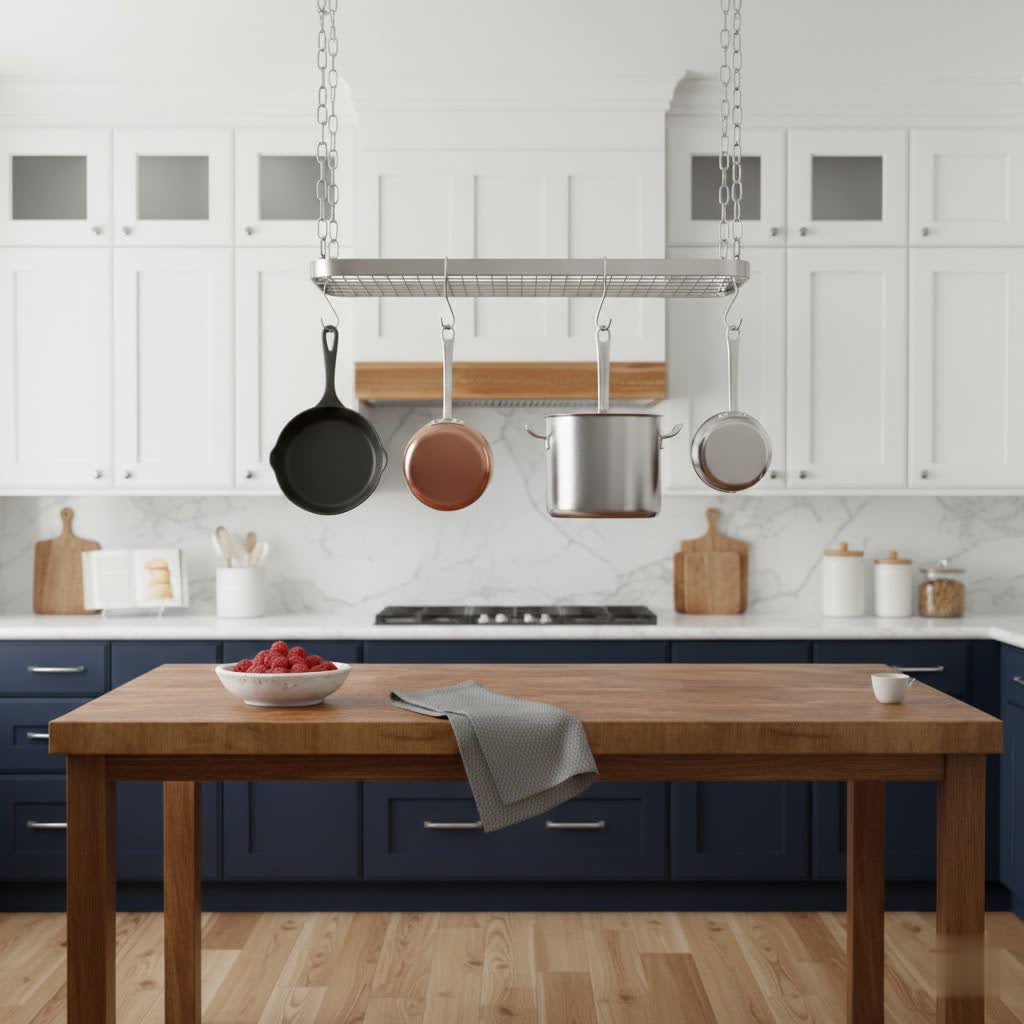
The modern kitchen, especially those in urban apartments or compact homes, often presents a unique challenge: an abundance of cookware with a distinct lack of storage space. For many home chefs, wall space is a luxury simply not available for traditional mounted pot racks. This is where the innovative solution of a standing pot rack truly shines, offering an elegant and practical way to bring order to your culinary tools without drilling a single hole. These versatile organizers transform unused floor or cabinet space into a functional and stylish storage hub, ensuring your pots, pans, and lids are always within easy reach.
Why a Standing Pot Rack is a Kitchen Essential (No Wall Space Needed!)
Table is empty.A standing pot rack offers an invaluable solution for decluttering your kitchen, especially when wall or ceiling mounting isn’t an option. By utilizing vertical space, these racks free up precious counter and cabinet real estate, making your kitchen feel more open and organized. Beyond mere storage, they keep your essential cookware accessible, eliminating the frustrating search for that specific lid or pan buried at the bottom of a stack. Many designs also serve as attractive kitchen accents, adding a touch of rustic charm or modern elegance, turning a functional item into a focal point. Their inherent mobility also offers flexibility, allowing you to reposition them as your kitchen needs evolve.
Types of Standing Pot Racks
Finding the right standing pot rack depends largely on your kitchen’s layout and your specific storage needs. While all share the common goal of freeing up space without wall mounting, they come in several distinct forms:
-
Freestanding Floor Pot Racks: These are the most traditional “standing” pot racks, characterized by their tall, multi-tiered structure designed to stand independently on the kitchen floor. Often resembling a baker’s rack or a vertical shelving unit, they typically feature multiple shelves and hooks for hanging various sizes of pots, pans, and utensils.
- Pros: Offers high capacity for a large collection of cookware, can serve as a striking aesthetic focal point, and is generally sturdy.
- Cons: Requires dedicated floor space, which might be a consideration in very small kitchens, and can be heavy to move once loaded.
-
Countertop/Cabinet Pot & Pan Organizers: More compact than their floor-standing counterparts, these organizers are designed to sit on your countertop or, more commonly, inside a deep cabinet or pantry. They typically feature vertical dividers or tiered shelving to hold pans, lids, and even baking sheets upright, preventing scratches and making selection easy.
- Pros: Excellent for optimizing existing cabinet or counter space, highly versatile, and often features adjustable components to fit various cookware sizes.
- Cons: Offers lower capacity compared to full floor racks and might still occupy visible counter space if not placed in a cabinet.
-
Vertical Lid & Pan Dividers: These are specialized organizers primarily for use within cabinets or large drawers. They consist of a series of vertical wire or plastic dividers that allow you to store lids, cutting boards, and flatter pans on their side, making them easily accessible and preventing them from toppling over.
- Pros: Maximizes the vertical space within existing cabinets, keeps items separated and scratch-free, and is highly efficient for specific items like lids and baking sheets.
- Cons: Primarily suited for flatter items and lids, not designed for large, bulky pots, and operates entirely within a cabinet, so it doesn’t offer the display aspect of a floor rack.
Comparing Standing Pot Rack Types
| Feature | Freestanding Floor Racks | Countertop/Cabinet Organizers | Vertical Lid & Pan Dividers |
|---|---|---|---|
| Placement | Kitchen Floor | Countertop, Inside Cabinets | Inside Cabinets/Drawers |
| Space Required | Significant dedicated floor space | Minimal counter/cabinet footprint | Minimal cabinet/drawer footprint |
| Capacity | High (many pots, pans, lids, utensils) | Moderate (fewer pots/pans, lids) | Moderate (lids, shallow pans, baking sheets) |
| Mobility | Generally movable (can be heavy when loaded) | Highly portable | Movable within cabinet/drawer |
| Aesthetic Impact | Can be a prominent design feature | Discreet or integrated into existing decor | Hidden inside cabinets |
Choosing the Perfect Standing Pot Rack: A Buying Guide
Selecting the ideal standing pot rack involves a thoughtful assessment of your kitchen’s specific needs and your personal style. Here’s a comprehensive guide to help you make an informed decision:
- Assess Your Cookware Collection: Begin by taking stock of your pots, pans, and lids. Consider the total number, their average size, and their combined weight. A large collection of heavy cast-iron skillets will require a much sturdier and higher-capacity rack than a few lightweight aluminum pots.
- Evaluate Available Space: Measure the dimensions of the area where you plan to place the rack. For freestanding floor models, consider the available floor footprint and ceiling height to ensure it fits comfortably and doesn’t obstruct walkways. For cabinet or countertop organizers, measure the internal dimensions of your cabinets, including depth, width, and height, to guarantee a snug fit.
- Consider Material & Durability: Standing pot racks are available in various materials, each offering different levels of durability and aesthetic appeal.
- Stainless steel and heavy-gauge metal are known for their strength, rust resistance, and modern look.
- Cast iron provides exceptional sturdiness and a rustic, classic appearance but is very heavy.
- Wood racks offer warmth and natural beauty but may require more maintenance and might not be suitable for extremely heavy cookware.
- Wire racks are lightweight and versatile, often found in cabinet organizers.
- Look for Adjustable Features: Many standing pot racks offer adjustable shelves, dividers, or hooks. These features are invaluable for accommodating different cookware sizes and evolving storage needs, providing greater flexibility and maximizing efficiency. Expandable options are particularly useful for cabinet organizers.
- Style & Aesthetics: While functionality is key, the visual appeal of your pot rack also matters, especially for freestanding floor models. Choose a design and finish that complements your existing kitchen decor, whether it’s modern, farmhouse, industrial, or traditional.
- Read Reviews: Before making a purchase, consult user reviews. Real-world feedback can offer insights into a rack’s stability, ease of assembly, actual capacity, and overall satisfaction, helping you avoid common pitfalls.
“A well-chosen standing pot rack is more than just storage; it’s an investment in kitchen harmony, turning clutter into curated display.” – Admin, Reviewhubn.com Kitchen Appliance Expert
Price Ranges for Standing Pot Racks
The price of standing pot racks can vary significantly based on size, material, design, and features.
- Budget-Friendly (Under $40): This category typically includes smaller countertop or in-cabinet organizers, often made of wire or lightweight plastic. They are excellent for organizing lids, a few pans, or small pot sets.
- Mid-Range ($40 – $150): Here you’ll find more robust countertop organizers, expandable cabinet racks, and some smaller, simpler freestanding floor models. Materials often include durable metals or a combination of wood and metal, offering better capacity and design.
- Premium (Over $150): This range encompasses large, high-capacity freestanding floor pot racks, often made from heavy-gauge steel, wrought iron, or solid wood. These units are built for maximum durability, intricate designs, and significant weight loads, making them a statement piece in your kitchen.
Top Standing Pot Rack Recommendations
When it comes to efficiently organizing your cookware without relying on wall space, these standing options consistently earn high marks:
-
Old Dutch 60-Inch Cookware Stand, Oiled Bronze: A quintessential freestanding floor rack, this model typically boasts a sturdy, multi-tiered design with ample space for hanging pots and pans, as well as multiple flat shelves for additional storage. Its classic oiled bronze finish adds a timeless, elegant touch to any kitchen.
- Pros: Exceptional storage capacity for large cookware collections, durable construction provides excellent stability, and its impressive height makes it a striking kitchen focal point.
- Cons: Requires a significant amount of floor space, which can be a challenge in smaller kitchens, and its heavy build can make repositioning difficult.
-
YouCopia StoreMore Expandable Cookware Rack: This versatile organizer is designed to sit inside your cabinet or on your countertop, providing adjustable dividers to store pans, baking sheets, and lids upright. Its expandable nature allows it to adapt to various cabinet widths and cookware sizes.
- Pros: Highly customizable and expandable to fit different cabinet sizes and cookware, excellent for preventing scratches and simplifying access to individual items, and features a non-slip base for stability.
- Cons: Primarily suited for flatter items like lids and shallow pans rather than bulky pots, and its capacity is limited by the size of the cabinet or counter space it occupies.
-
iDESIGN Classico Steel Kitchen Cabinet Cookware Organizer Chrome: A compact yet efficient freestanding solution for inside your cabinets, this metal pot rack keeps a small collection of pots and pans neatly stacked or separated. Its sleek chrome finish is both modern and easy to clean.
- Pros: Ideal for small kitchens or limited cabinet space, robust steel construction ensures durability, and its minimalist design integrates seamlessly into any cabinet.
- Cons: Offers limited capacity, best suited for smaller pot and pan sets, and lacks the aesthetic impact of larger, decorative racks.
-
G-TING 8-Tier Pots and Pans Organizer: This vertical shelving unit is a game-changer for organizing pots, pans, and lids within a pantry or a deep base cabinet. Its tiered design allows for vertical stacking, maximizing storage and preventing cookware from being scratched.
- Pros: Superb for vertical storage, making the most of tall cabinet spaces; adjustable tiers accommodate different pot heights; and its design protects cookware from damage.
- Cons: Not designed for hanging items, primarily functions as a stacking solution, and may require specific cabinet dimensions for optimal use.
-
Rev-A-Shelf Pull-Out Cabinet Organizers: While requiring internal cabinet installation rather than standing freely on the floor, these systems provide a “standing” organization within your cabinetry, making them perfect for kitchens without wall space. They convert deep, hard-to-reach cabinets into easily accessible storage for pots, pans, and lids.
- Pros: Maximizes the utility of deep and otherwise “dead” cabinet space, offers easy access to all cookware through smooth pull-out glides, and is highly customizable with adjustable dividers.
- Cons: Requires installation within existing cabinetry, which may involve some DIY effort or professional help, and generally represents a higher investment than standalone units.
Conclusion
For kitchens lacking the wall space for traditional hanging or wall-mounted pot racks, standing pot racks offer an indispensable and stylish solution. From grand freestanding floor models that make a statement to ingenious in-cabinet organizers that silently tame clutter, there’s a perfect option to suit every kitchen size and cooking style. By carefully considering your cookware, available space, material preferences, and desired features, you can select a rack that not only streamlines your kitchen but also enhances its overall aesthetic. Reclaim your counters and cabinets, and transform your kitchen into an organized, efficient, and inspiring culinary haven. Which standing pot rack will revolutionize your kitchen organization?
Frequently Asked Questions
How do I assemble a freestanding pot rack?
Most freestanding pot racks come with detailed instructions and all necessary hardware for assembly. Typically, you’ll connect the main vertical supports to the base, then attach the shelves and any hooks. While often designed for easy DIY assembly with basic tools, it’s always wise to follow the manufacturer’s guide carefully and consider having a second person assist, especially with larger, heavier models. Ensure all connections are secure for stability.
Are standing pot racks stable?
Yes, well-designed standing pot racks are built for stability. They often feature wide, heavy bases and can include adjustable leveling feet to compensate for uneven floors. When loaded correctly, with heavier items on lower shelves to maintain a low center of gravity, they are very secure. Always check the manufacturer’s weight capacity limits and avoid overloading to ensure safety and stability.
Can I use a standing pot rack in a small kitchen?
Absolutely! Standing pot racks are excellent for small kitchens because they leverage vertical space, which is often underutilized. For very small kitchens, opt for taller, narrower floor models with a small footprint, or prioritize in-cabinet and countertop organizers that make the most of existing internal spaces without occupying additional floor area. The key is to measure carefully and choose a model that maximizes height rather than width.
What materials are best for standing pot racks?
The best material depends on your needs and aesthetic preferences. Stainless steel and heavy-gauge metal are popular for their durability, strength, and ease of cleaning, offering a modern or industrial look. Cast iron is exceptionally sturdy and robust, perfect for very heavy cookware, and provides a classic, rustic charm. Wood offers natural warmth and beauty, suitable for various decor styles, but may require more care. For cabinet organizers, durable wire or plastic is common, prioritizing function and protection against scratches.
How much weight can a standing pot rack hold?
The weight capacity of a standing pot rack varies significantly by model, material, and construction. High-quality freestanding floor racks made of heavy-gauge metal or cast iron can often hold upwards of 50-100 pounds or more. Smaller countertop or in-cabinet organizers will have lower capacities, typically ranging from 15-40 pounds. Always consult the product specifications and manufacturer’s guidelines for the exact weight limit of any specific pot rack to ensure safe and secure storage.