Are you struggling to find a dedicated home for your robust induction cookware, leaving your cabinets cluttered and your countertops cramped? As an experienced kitchen appliance technician with over a decade in the field, specializing in pot racks, I understand the unique challenges that come with storing heavy, specialized cookware. Induction sets, often crafted from cast iron or heavy-gauge stainless steel, demand a storage solution that is not only sturdy and reliable but also optimizes your kitchen’s functionality and aesthetic. This guide will walk you through choosing the perfect pot rack to elevate your kitchen’s organization and showcase your valuable induction cookware.
Why You Need a Heavy-Duty Pot Rack for Induction Cookware
Storing induction cookware presents a distinct set of challenges, primarily due to its substantial weight and often larger dimensions. Unlike lighter aluminum or non-stick pans, induction-compatible pots and pans are built with magnetic bases, frequently incorporating materials like cast iron or multi-clad stainless steel, making them considerably heavier. A dedicated, heavy-duty pot rack is essential to safely accommodate this heft, preventing damage to your cabinetry and ensuring the longevity of your cookware.
Furthermore, a well-chosen pot rack goes beyond mere safety and organization; it’s a design statement. Imagine walking into a kitchen where every pot and pan is neatly suspended, instantly accessible, and contributing to a professional, uncluttered look. This strategic storage solution frees up precious cabinet and drawer space, making your kitchen feel more open and efficient. It also means less rummaging through stacked pots, allowing you to quickly grab the right pan for your induction cooktop, streamlining your cooking process and transforming your kitchen into a more functional and inviting culinary hub.
Types of Pot Racks Best Suited for Induction Cookware
When selecting a pot rack for your induction cookware, understanding the different types and their suitability for heavy items is crucial. Each style offers unique advantages depending on your kitchen’s layout, storage needs, and desired aesthetic.
Ceiling-Mounted Pot Racks
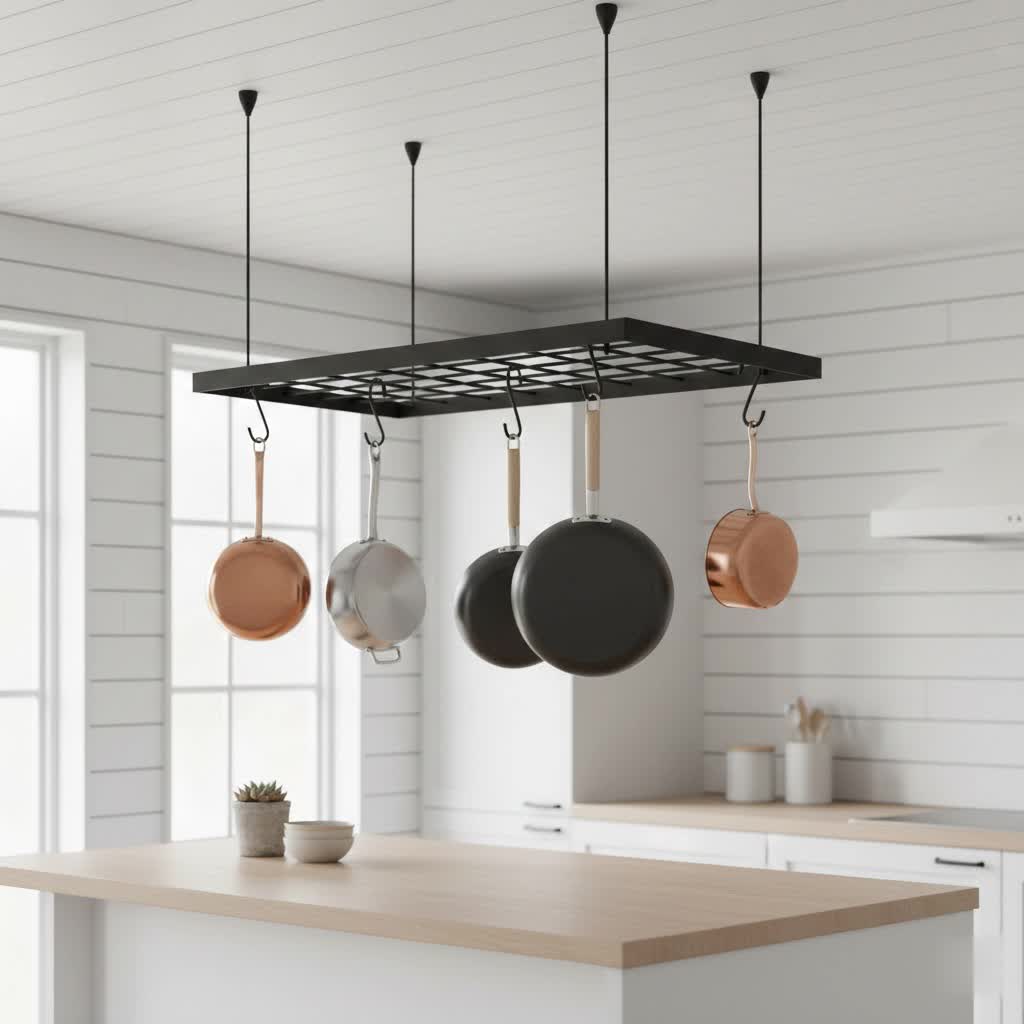
Table is empty.These racks hang from the ceiling, offering a dramatic centerpiece and maximizing vertical space. They are often the preferred choice for larger kitchens or those with high ceilings, capable of supporting a substantial amount of weight if properly installed into ceiling joists. Wrought iron or thick steel ceiling racks with a grid design are excellent for distributing the load of heavy induction pots and pans, ensuring stability and safety.
Wall-Mounted Pot Racks
Ideal for smaller kitchens or those with limited ceiling space, wall-mounted pot racks are installed directly onto a sturdy wall. They free up counter space and provide easy access to your cookware. For induction sets, look for industrial-grade steel I-beam designs or solid wrought iron constructions, as these are specifically engineered to bear the weight of even the heaviest cast iron pieces. Secure mounting into wall studs is absolutely essential for stability.
Freestanding/Floor Pot Racks
If you prefer not to drill into walls or ceilings, or if you have ample floor space, a freestanding pot rack offers remarkable flexibility. These racks typically feature multiple tiers and are easy to move, making them suitable for renters or those who frequently rearrange their kitchen. While convenient, it’s vital to choose a model with a wide, stable base and robust construction to prevent tipping under the weight of heavy induction cookware.
In-Cabinet Organizers
For a minimalist approach, in-cabinet organizers can keep your induction cookware neatly tucked away. Expanding racks or vertical dividers specifically designed for heavy pots can utilize cabinet depth efficiently. While they don’t offer the visual appeal of hanging racks, they are excellent for maintaining a clean, uncluttered look and protecting your cookware from scratches.
Comparing Pot Rack Types for Induction Cookware
To help you make an informed decision, here’s a comparison of the most common pot rack types:
| Feature | Ceiling-Mounted Racks | Wall-Mounted Racks | Freestanding Racks | In-Cabinet Organizers |
|---|---|---|---|---|
| Best For | Large kitchens, high ceilings, maximum display, heavy loads | Smaller kitchens, limited floor/ceiling space, targeted storage | Flexible layouts, no installation, renters | Hidden storage, small spaces, minimal aesthetic |
| Weight Capacity | Very High (if properly installed into joists) | High (if mounted into studs) | Moderate to High (stability dependent) | Moderate |
| Space Impact | Frees up floor & counter space, utilizes vertical air space | Frees up counter space, utilizes wall space | Occupies floor space, no wall/ceiling alteration | Frees up cabinet space, hidden |
| Installation | Complex (often requires professional, ceiling joist location) | Moderate (requires stud finding for heavy loads) | None | Easy (shelf/cupboard fit) |
| Aesthetic | Grand, focal point, professional kitchen feel | Practical, industrial, farmhouse, modern | Versatile, can be decorative | Discreet, minimalist |
| Cost | Higher (due to materials & installation) | Medium | Medium | Lower |
Key Features to Look For When Choosing a Pot Rack for Induction Cookware
Selecting the right pot rack for your induction cookware involves careful consideration of several critical features. Given the weight of these specialized pots and pans, durability, stability, and proper installation are paramount.
First, robust materials are non-negotiable. Look for pot racks made from heavy-gauge steel, wrought iron, or thick-plate metal. These materials provide the inherent strength needed to safely support heavy cookware without bending or sagging over time. Avoid flimsy, lightweight options that are not explicitly rated for significant loads.
Second, high weight capacity is crucial. Induction cookware, especially cast iron, can weigh considerably more than standard aluminum or copper pots. Ensure the pot rack you choose explicitly states a high weight limit or is marketed as “heavy-duty” or “suitable for cast iron.” This guarantees the rack can safely hold your entire collection without risk.
Third, sturdy hooks are often overlooked but vital. The hooks should be made from the same durable materials as the rack itself, such as thick steel or solid wrought iron. Sliding hooks offer flexibility in arrangement, while double-sided designs can maximize storage. Ensure they are robust enough to not deform under the weight of individual pots.
Fourth, a secure mounting system is absolutely essential for both wall-mounted and ceiling-mounted racks. For ceiling racks, proper installation into ceiling joists is critical, often requiring a professional to ensure safety. Wall-mounted racks should always be anchored into wall studs using appropriate lag bolts or heavy-duty anchors. Never rely solely on drywall anchors for heavy cookware.
Finally, consider the size and configuration of the rack relative to your cookware set and kitchen space. Measure your largest induction pots to ensure they will hang without touching the counter or obstructing walkways. Opt for a configuration that allows easy access to frequently used items and efficiently organizes your entire collection.
Buying Guide: Selecting Your Ideal Pot Rack
Choosing the perfect pot rack for your induction cookware set requires a thoughtful approach. Here’s a step-by-step guide to help you find a solution that blends seamlessly with your kitchen and meets your practical needs.
- Assess Your Cookware Set: Begin by evaluating your induction cookware. How many pots and pans do you own? What are their sizes and, most importantly, their combined weight? Cast iron and multi-ply stainless steel induction sets can be exceptionally heavy, so an accurate assessment is crucial for determining the necessary weight capacity of your pot rack.
- Evaluate Your Kitchen Space: Look at your kitchen’s layout. Do you have high ceilings suitable for a dramatic ceiling-mounted rack, or is wall space more abundant? Consider the distance from countertops or islands if you opt for a hanging rack; generally, 40 to 48 inches from the work surface to the bottom of the hooks is recommended for comfort and safety. If drilling into walls or ceilings isn’t an option, a freestanding or in-cabinet organizer might be best.
- Determine Installation Feasibility: Are you comfortable with a DIY installation, which typically involves locating studs for secure mounting, or would you prefer professional installation, especially for ceiling-mounted racks? The complexity can vary, so be honest about your capabilities or budget for a professional.
- Check Material and Weight Ratings Carefully: This is paramount for induction cookware. Prioritize racks made from heavy-gauge steel or wrought iron, and always verify the stated weight capacity. Look for explicit mentions of “heavy-duty” or “designed for cast iron” to ensure it can withstand the load of your induction pots and pans. Pay attention to the quality of hooks and mounting hardware provided.
- Read Reviews and Compare Options: Seek out reviews that specifically mention the rack’s performance with heavy cookware. User experiences can offer valuable insights into durability and ease of installation. Compare different models from reputable brands known for their sturdy kitchen organization solutions.
- Set a Budget: Pot racks range widely in price based on material, size, and design. Determine how much you’re willing to invest, remembering that a higher-quality, heavy-duty rack is a long-term investment in kitchen organization and safety.
Top Pot Racks for Induction Cookware Sets
When it comes to securely storing heavy induction cookware, certain pot rack designs and brands consistently stand out for their exceptional durability and thoughtful engineering.
One highly recommended option for those with substantial induction cookware is the Industrial Steel I Beam Wall Mounted Pot Rack, such as those offered by Modern Iron Works. Constructed from 3-inch tall steel I-beams, these racks are explicitly designed to handle the heaviest cast iron pots and pans. Their robust mounting brackets, made from thick plate steel, ensure maximum strength and durability when securely fastened to wall studs. The raw steel finish provides an authentic industrial aesthetic, perfect for modern and minimalist kitchens, and the adjustable sliding hooks offer excellent flexibility for organizing various pot and pan sizes. This type of rack is a fortress for your heaviest pieces.
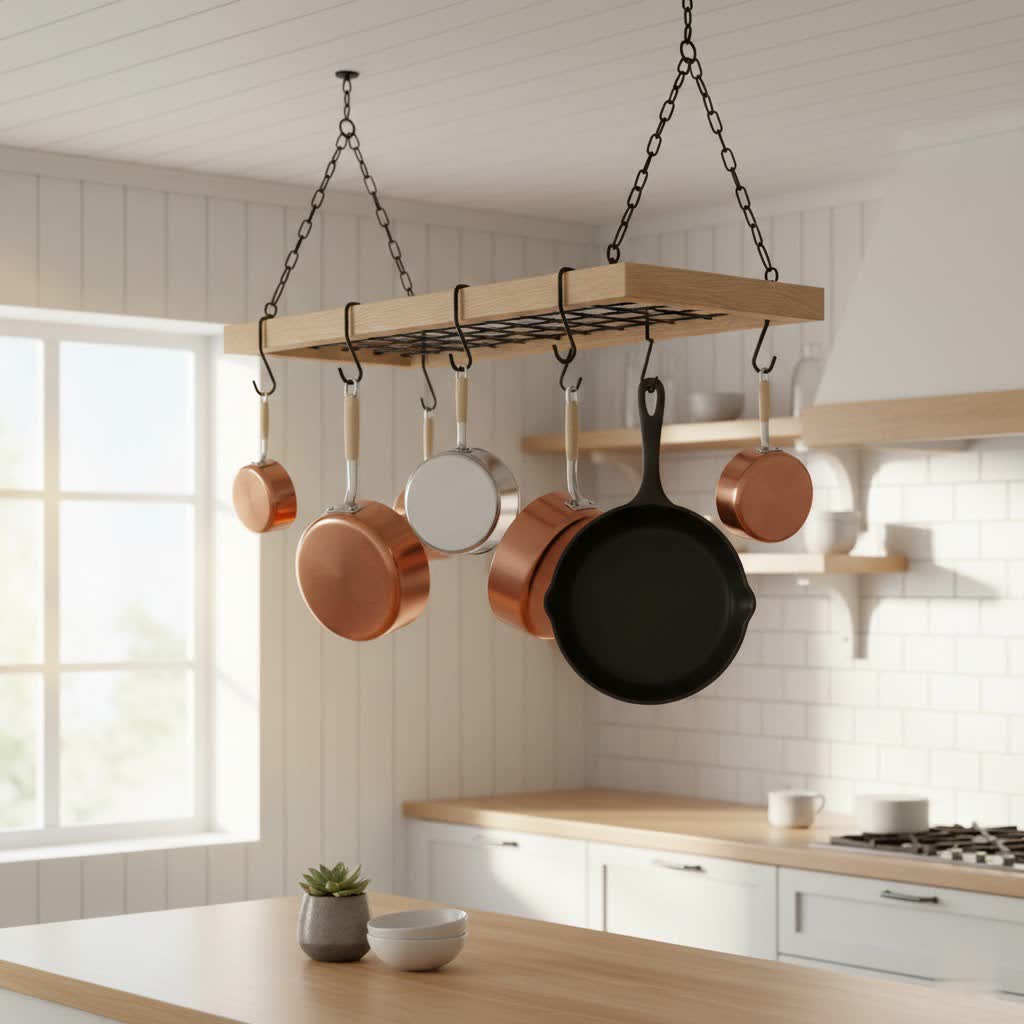
For kitchens with a more traditional or rustic flair, wrought iron ceiling-mounted pot racks are an elegant yet incredibly strong solution. Brands like Enclume, frequently mentioned on platforms like Timeless Wrought Iron, offer a range of beautifully crafted options, including classic rectangle designs with grids or oval shapes. These racks are not only visually appealing, turning your cookware into a decorative element, but also boast impressive weight capacities due to the inherent strength of wrought iron. They typically come with heavy-duty chains and hooks, ensuring a secure overhead storage solution that maximizes floor and counter space while making your induction pots easily accessible.
Finally, for those who require flexibility without permanent installation, a heavy-duty freestanding pot rack is invaluable. While specific brands vary, the key is to look for models with solid, wide bases and multi-tiered construction made from substantial materials like chrome-plated steel or wrought iron. These racks must be exceptionally stable to safely hold heavy induction Dutch ovens and stockpots without any risk of tipping. They offer the convenience of mobility and require no drilling, making them a practical choice for renters or those who frequently reorganize their kitchen layout.
Conclusion
Choosing the best pot rack for your induction cookware set is a vital step toward creating a more organized, efficient, and visually appealing kitchen. By prioritizing robust materials like heavy-gauge steel or wrought iron, verifying high weight capacities, and ensuring secure installation, you can confidently store your valuable and often heavy induction pots and pans. Whether you opt for a dramatic ceiling-mounted display, a practical wall-mounted solution, or a flexible freestanding unit, the right pot rack will not only free up precious cabinet space but also transform your cookware into an accessible design feature.
Are you ready to discover the perfect pot rack that not only streamlines your culinary workflow but also enhances the beauty and functionality of your kitchen?
Frequently Asked Questions
What is the best material for a pot rack holding induction cookware?
For induction cookware, which is typically heavier, the best materials for a pot rack are heavy-gauge steel or wrought iron. These materials offer superior strength and durability, capable of supporting the significant weight of cast iron and multi-ply stainless steel pots and pans, ensuring long-term safety and stability in your kitchen.
How high should I hang a pot rack above my counter or island?
A good rule of thumb for hanging pot racks is to position them approximately 40 to 48 inches from the top of your work surface (countertop or kitchen island) to the bottom of the pot rack hooks. This height provides comfortable access to your cookware while ensuring adequate clearance for cooking and movement underneath.
Can all pot racks hold cast iron or heavy induction pots?
No, not all pot racks are designed to hold cast iron or heavy induction pots. Many standard pot racks are built for lighter aluminum or non-stick cookware. It is crucial to look for pot racks explicitly labeled as “heavy-duty” or “suitable for cast iron,” and always check the stated weight capacity to ensure it can safely support your induction cookware collection.