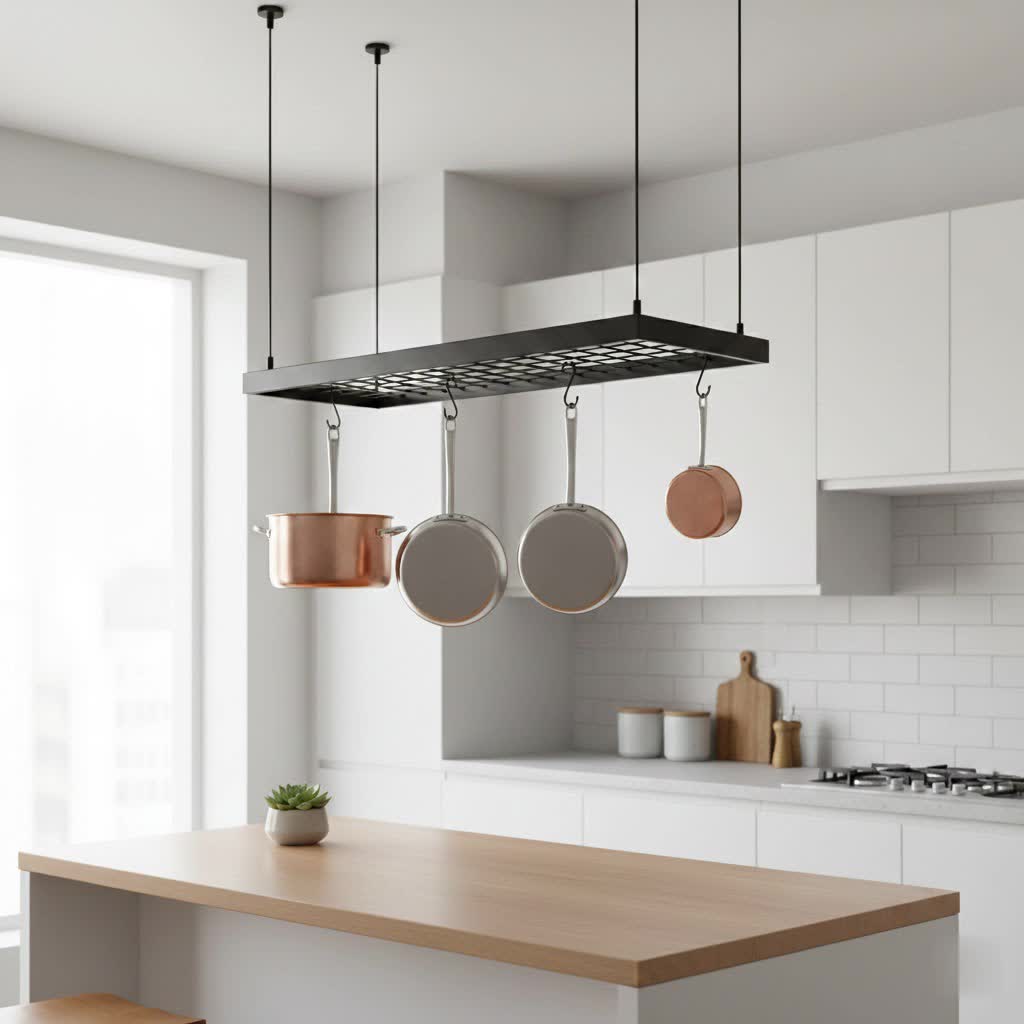
A pot rack transforms a cluttered kitchen into an organized, aesthetically pleasing culinary space. It frees up valuable cabinet real estate, keeps your essential cookware within easy reach, and can even serve as a stylish focal point. However, the integrity and safety of your pot rack, and the expensive cookware it holds, depend entirely on one crucial element: the anchors you choose. Selecting the right heavy-duty anchors is paramount to ensuring stability and preventing catastrophic falls. As an expert in kitchen equipment with over a decade of experience, I’m here to guide you through the latest and most reliable anchoring solutions for your pot rack in 2026, ensuring a secure and lasting installation tailored to your specific kitchen.
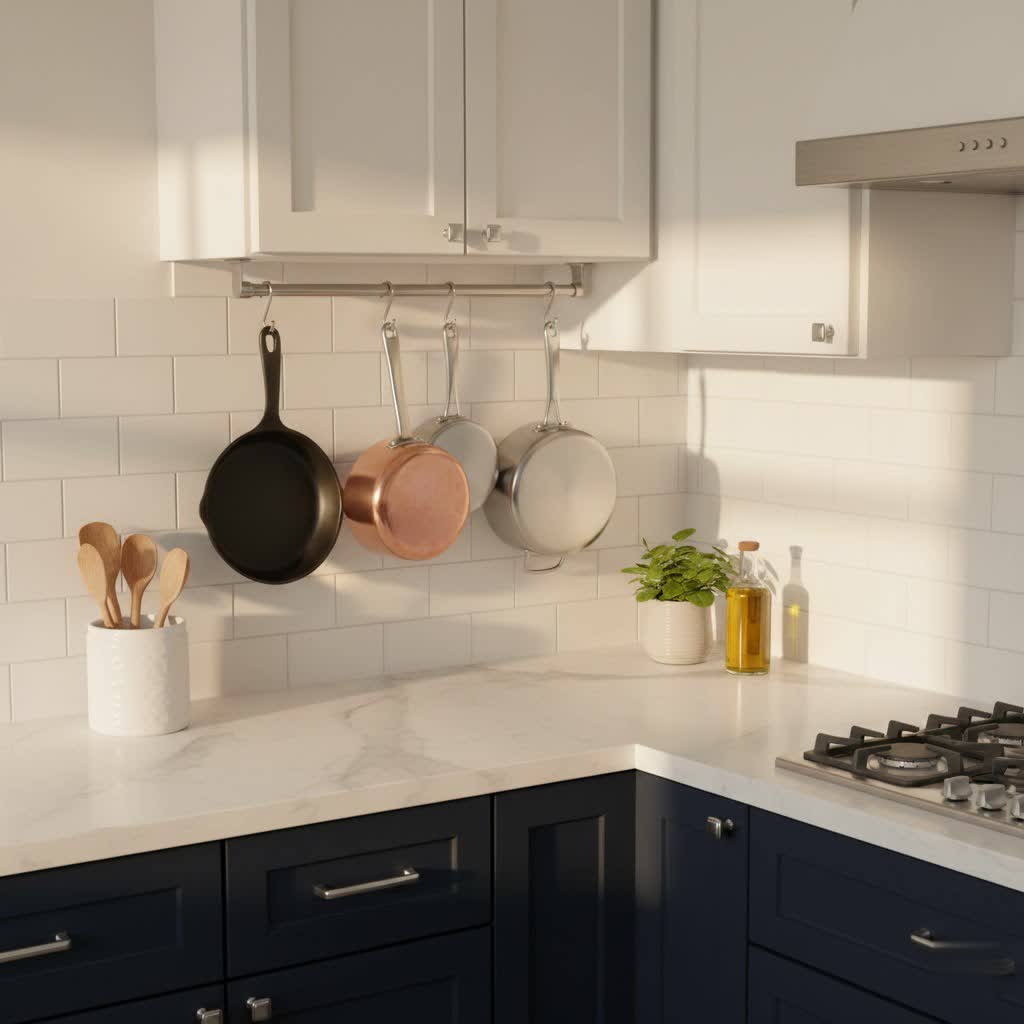
Why You Need the Right Heavy Duty Anchors for Your Pot Rack
|
Our Picks for the Best Pot rack in 2026
As an Amazon Associate I earn from qualifying purchases.
|
||
| Num | Product | Action |
|---|---|---|
| 1 | CHOEZON 31.7-Inch Hanging Pot Rack, Space-Saving Pot Hanger for Kitchen, Ceiling Pan Hanging Rack with 16 Detachable S Hooks, Sturdy Metal Frame, Industrial Style, Rustic Brown and Black TPR09BF |

|
| 2 | ORDORA Pots and Pans Organizer for Cabinet 16.61 Height, 8 Tier Pot Organizers Rack with 3 DIY Methods, Adjustable Pan Organizer under Cabinet Kitchen Organization and Storage |
|
| 3 | ORDORA Pots and Pans Organizer: under Cabinet, 20.8" Height Heavy Duty 120LBS Pots Pans Organizer Rack for under Cabinet 8-Tier Adjustable for Big Stockpots, Dutch Oven, Cast-iron Pans, Heavy Cookware |
|
| 4 | MUDEELA Pots and Pans Organizer Rack for under Cabinet, Expandable 11.81''-22.85'' Pot Lid Kitchen Cabinet Organizer Holder with 10 Adjustable Compartment Cutting Board Organizer for Pan Lid, Bakeware |
|
| 5 | HULISEN Pots and Pans Organizer Under Cabinet, Expandable 2-Tier Pots and Pans Lid Storage Rack Holder with 10 Dividers, Adjustable Height Under Sink Organizer, Maximize Kitchen Storage Space |
|
| 6 | MUDEELA Pots and Pans Organizer Rack under Cabinet 14.55in Height, 8-Tiers Adjustable Pot Rack with 3 DIY Methods, Pot Lid Organizer inside Cabinet for Kitchen Pantry Organization and Storage |
|
| 7 | MUDEELA 8-Tier Pots and Pans Organizer under Cabinet, 15.83" Height Heavy Duty Pot Pan Organizer Kitchen Cabinet Organization and Storage, Adjustable Pot Rack for Frying Pan, Cast Iron Skillet, Black |
|
| 8 | CHOEZON Pot Racks, 6-Tier Cookware Stand, Triangle Shelf Storage Tower for Kitchen, Pans Pots Storage Rack, Metal Wire Shelf Organizer, Corner Shelf, for Kitchen, Living Room, Black TPR15BB |
|
| 9 | VyGrow 28 Inch Pot Rack Wall Mounted, 2 Tier Pots and Pans Organizer with 20 Hooks and 6 Pot Lid Holders, Heavy Duty Steel Pot and Pan Hanger for Kitchen Cookware Utensils Storage 34.7" Lx13 Wx26.4 H |
|
| 10 | CHOEZON Pots and Pans Organizer Rack, Kitchen Bakers Rack, Multi-Tier Storage Shelf, Kitchen Island Table, Cooking Rack with Pots and Pans Storage, Rustic Brown and Black TPR60BF |
|
Installing a pot rack isn’t just about convenience; it’s a significant safety consideration. An overloaded or improperly anchored pot rack can quickly become a hazard, leading to damaged cookware, ceiling repairs, or even personal injury. Heavy-duty anchors provide the critical support needed to bear the substantial weight of cast iron skillets, stainless steel pots, and other kitchen essentials. Beyond safety, choosing the correct anchors ensures your pot rack remains level and stable, maintaining its aesthetic appeal and functionality for years to come. It’s an investment in both your kitchen’s organization and your peace of mind.
Understanding Your Ceiling: The Foundation of a Secure Pot Rack
Before selecting any anchor, the first and most critical step is to understand what your ceiling is made of. Different ceiling materials require specific types of anchors for optimal security and weight bearing. Misidentifying your ceiling type can lead to choosing inadequate anchors, potentially resulting in failure.
- Ceiling Joists: These are the horizontal framing members that support your ceiling. Attaching directly to a wood joist provides the strongest and most reliable connection for any pot rack. You can locate joists using an electronic stud finder, which detects changes in density, or a magnetic stud finder, which identifies the metal screws or nails used to fasten drywall to the joists. Once located, mark their positions clearly to ensure accurate drilling.
- Drywall/Plaster Ceilings (No Joists): If your desired pot rack location doesn’t align with a ceiling joist, or if your ceiling is constructed entirely of drywall or plaster without accessible joists, you’ll need specialized hollow-wall anchors. Standard plastic anchors are generally insufficient for the dynamic, heavy loads of a pot rack.
- Concrete Ceilings: Found in some modern homes, basements, or loft apartments, concrete ceilings require heavy-duty expansion anchors specifically designed for masonry.
- Unsuitable Ceiling Types: Acoustic tile ceilings, common in offices or basements, are generally not suitable for hanging pot racks due to their low structural integrity.
Types of Heavy Duty Anchors for Pot Racks
Choosing the right anchor depends heavily on your ceiling material and the total weight you anticipate hanging. Here’s a comparison of the most effective heavy-duty anchor types for pot racks:
| Feature | Lag Screws/Eye Bolts (into Joists) | Toggle Bolts (e.g., Snaptoggle) | Expansion Anchors (for Concrete) |
|---|---|---|---|
| Best for | Heaviest loads, ultimate security | Moderate to heavy loads, hollow walls | Very heavy loads, concrete only |
| Ceiling Type | Wood joists/beams | Drywall, plaster, hollow walls | Concrete |
| Weight Capacity | Very High (100+ lbs per connection point) | High (up to 200 lbs per point for 5/8″ drywall) | Very High (material-dependent) |
| Installation | Drill pilot hole, screw directly into joist | Drill larger hole, insert, expand wings, tighten | Hammer drill, insert, expand into masonry |
| Pros | Maximum strength, permanent fixture | Flexible placement, strong for hollow walls | Extremely robust, long-lasting |
| Cons | Requires precise joist location | Requires a larger pilot hole, less strong than direct joist connection | Requires specialized tools, material-specific |
Choosing the Best Anchor: A Comprehensive Buying Guide for 2026
Selecting the ideal anchor involves a careful assessment of several factors to guarantee a safe and long-lasting installation.
- Determine Total Weight Capacity: Always calculate the combined weight of your pot rack itself and all the pots, pans, and utensils you intend to hang on it. When in doubt, overestimate. It’s far better for your anchors to be over-engineered than under-engineered. Look for anchors with a “shear strength” (resistance to being cut) and “pull-out strength” (resistance to being pulled straight down) significantly exceeding your calculated total weight.
- Match Anchor to Ceiling Material: As discussed, the type of anchor must correspond directly to your ceiling structure. Lag screws or heavy-duty eye bolts are suitable for wood joists. For drywall or plaster without joists, robust toggle bolts like the Toggler SNAPTOGGLE are excellent. Concrete requires specific masonry or sleeve anchors. Never use basic plastic anchors for a pot rack.
- Consider the Number of Connection Points: Most pot racks are designed with multiple connection points (typically 2-4). Distributing the weight across several strong anchors significantly increases overall stability and safety. Ensure each connection point is adequately supported by an appropriate anchor for your ceiling type.
- Material and Durability of the Anchor: Look for anchors made from high-quality, corrosion-resistant materials like galvanized steel or stainless steel, especially in a kitchen environment where humidity can be a factor. The durability of the anchor ensures it can withstand consistent stress over time.
- Ease of Installation: While strength is paramount, consider the installation process. Anchors designed for joists are generally straightforward if you can locate the joists. Heavy-duty toggle bolts, while requiring a slightly larger pilot hole, are also relatively simple for a DIY enthusiast. Concrete anchors may require a hammer drill and more specialized installation expertise.
Installation Best Practices for Lasting Security
Even the best anchors won’t perform optimally without proper installation. Adhere to these best practices for maximum safety:
- Gather the Right Tools: You’ll need a reliable stud finder (electronic or magnetic), an electric drill, appropriate drill bits (matching your chosen anchor’s specifications), a tape measure, a pencil, and crucially, safety glasses.
- Precise Measurement and Marking: Use your pot rack as a template. Measure the exact distance between its hanging points and transfer these measurements accurately to your ceiling. Use your stud finder to locate and mark joists or to ensure your hollow-wall anchor placement avoids electrical wires or pipes.
- Drill Correct Pilot Holes: Always drill pilot holes according to the anchor manufacturer’s instructions. For lag screws into joists, the pilot hole should be slightly smaller than the screw’s diameter. For toggle bolts, a larger hole is required to insert the collapsed wings.
- Secure Installation of Anchors: Follow the manufacturer’s specific instructions for each anchor type. Ensure toggle bolts have fully expanded behind the ceiling material before tightening. When using lag screws, tighten them firmly but avoid over-tightening, which can strip the wood.
- Double-Check All Connections: Before hanging any cookware, gently tug on the installed hooks or chains to verify they are absolutely secure. Listen for any creaking or signs of movement.
- Don’t Overload: Always respect the stated weight capacity of your anchors and pot rack. If you acquire more cookware, reassess the total weight and potentially upgrade your anchoring system or consider a second pot rack.
- Professional Consultation: If you are unsure about your ceiling type, locating joists, or the installation process, do not hesitate to consult a qualified contractor or handyman. Safety should always be your top priority.
“The true strength of your pot rack lies not in its beautiful design or robust construction, but in the unseen anchors holding it aloft. Invest wisely in these hidden heroes, and your kitchen will thank you.” – Admin, Reviewhubn.com, Kitchen Equipment Specialist.
Common Questions & Forward-Looking Advice for 2026
Navigating the world of home improvement can raise many questions. Here are answers to some common inquiries regarding pot rack anchors:
How much weight can a pot rack safely hold?
The total weight a pot rack can safely hold depends entirely on the type and quantity of anchors used, as well as the ceiling material. While a single heavy-duty toggle bolt can support up to 200 pounds in 5/8-inch drywall, a typical pot rack utilizes multiple connection points, distributing weight. Directly attaching to ceiling joists with lag screws offers the highest capacity, often exceeding 100 pounds per connection. Always check anchor specifications and aim for a capacity significantly higher than your estimated load.
What’s the difference between a toggle bolt and a Molly bolt?
Both toggle bolts and Molly bolts are designed for hollow wall applications. However, toggle bolts typically provide superior heavy-duty support for ceilings. Toggle bolts feature spring-loaded wings that open up behind the drywall, creating a broad, secure grip. Molly bolts, on the other hand, expand and crimp into the back of the drywall as you tighten them. For the heavier, dynamic loads of a pot rack, toggle bolts are generally the more recommended and robust choice.
Do I need a professional to install a pot rack?
For most standard installations into wood joists or with heavy-duty toggle bolts into drywall, a seasoned DIY enthusiast can typically handle the task. However, if you are uncomfortable identifying ceiling structures, operating power tools, or dealing with complex ceiling materials like concrete or very old plaster, hiring a professional is a wise and recommended decision. Their expertise ensures correct installation and maximum safety.
The kitchen of 2026 continues to value both functionality and aesthetics. While innovative smart kitchen gadgets capture headlines, the timeless need for reliable and safe storage solutions remains. Expect heavy-duty anchors to continue evolving with improvements in material science, offering even stronger and easier-to-install options. The core principles, however, will endure: always understand your ceiling, choose anchors with ample capacity, and prioritize precise installation. By following these guidelines, your pot rack will remain a cherished and secure part of your culinary sanctuary.