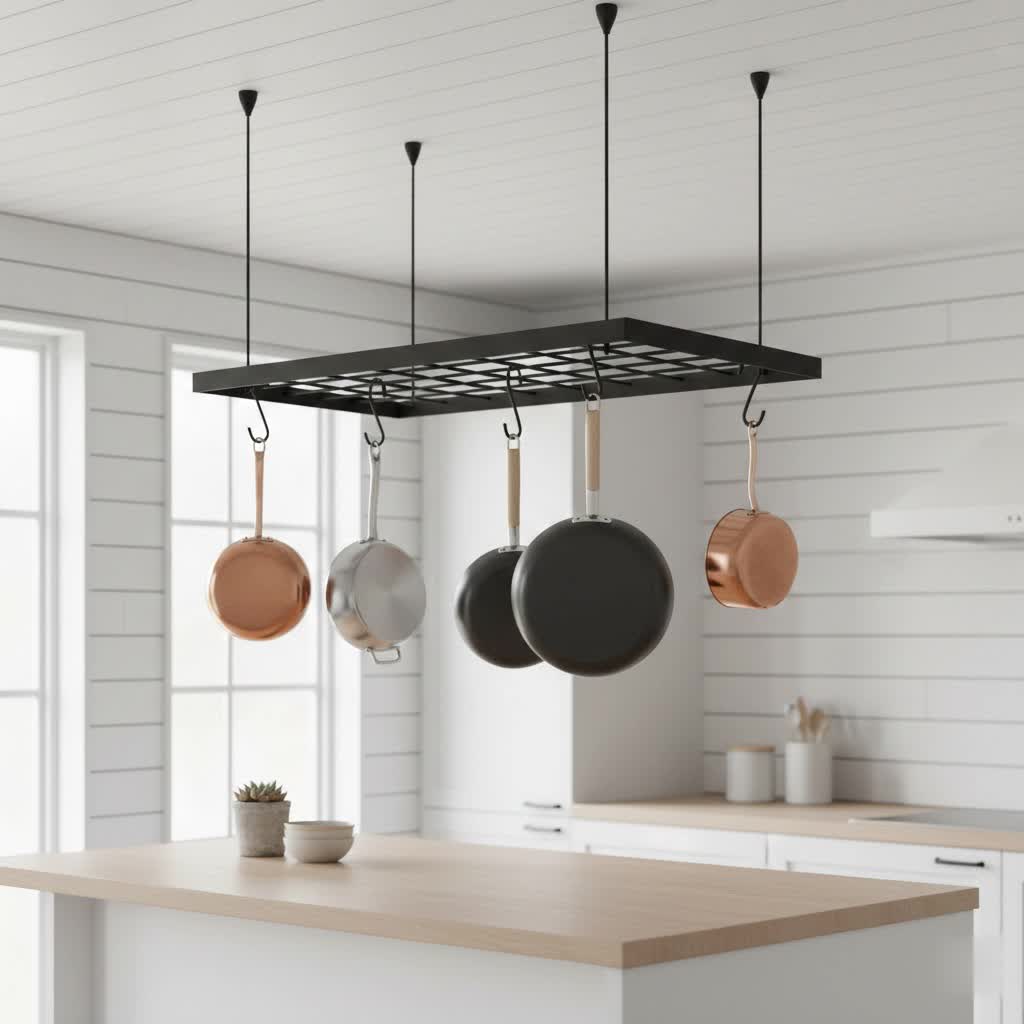
Are you tired of cluttered countertops and overflowing cabinets? Does the thought of rummaging through a stack of pots and pans just to find the right one fill you with dread? If so, it might be time to introduce a pot rack into your kitchen. These clever storage solutions are more than just practical; they can transform your cooking space, making it more organized, efficient, and aesthetically pleasing. A well-chosen pot rack not only frees up valuable real estate but also adds a touch of culinary charm, turning your cookware into a display. This comprehensive guide will walk you through everything you need to know about pot racks, from understanding their benefits and exploring different types to a detailed buying guide and top product recommendations, ensuring you find the perfect fit for your home.
Why You Need a Pot Rack?
Pot racks are unsung heroes in many kitchens, offering a multitude of benefits that extend beyond simple storage. The primary advantage is undoubtedly the liberation of kitchen space. By moving your cookware from cabinets and drawers to an overhead or wall-mounted solution, you instantly de-clutter surfaces and free up prime storage for other essentials. This makes your kitchen feel more open and organized.
Beyond space-saving, pot racks contribute significantly to the neat arrangement of your pots and pans. Each item gets its designated hook, ensuring everything is in its place and preventing the chaotic stacks that can lead to scratches and damage. This orderly system translates into unparalleled ease of access; you can grab the specific pot or pan you need in an instant, without any digging or re-stacking. Moreover, a stylish pot rack can act as a striking aesthetic focal point in your kitchen, showcasing your beautiful cookware and adding a professional, chef-inspired touch to your decor.
Popular Types of Pot Racks
Pot racks come in various forms, each designed to suit different kitchen layouts, storage needs, and aesthetic preferences. Understanding the unique characteristics of each type is crucial for making an informed decision.
Ceiling-Mounted Pot Racks
|
Our Picks for the Best Pot rack in 2026
As an Amazon Associate I earn from qualifying purchases.
|
||
| Num | Product | Action |
|---|---|---|
| 1 | ORDORA Pots and Pans Organizer: under Cabinet, 20.8" Height Heavy Duty 120LBS Pots Pans Organizer Rack for under Cabinet 8-Tier Adjustable for Big Stockpots, Dutch Oven, Cast-iron Pans, Heavy Cookware |

|
| 2 | VyGrow 28 Inch Pot Rack Wall Mounted, 2 Tier Pots and Pans Organizer with 20 Hooks and 6 Pot Lid Holders, Heavy Duty Steel Pot and Pan Hanger for Kitchen Cookware Utensils Storage 34.7" Lx13 Wx26.4 H |
|
| 3 | MUDEELA Pots and Pans Organizer Rack for under Cabinet, Expandable 11.81''-22.85'' Pot Lid Kitchen Cabinet Organizer Holder with 10 Adjustable Compartment Cutting Board Organizer for Pan Lid, Bakeware |
|
| 4 | ORDORA Pots and Pans Organizer for Cabinet 16.61 Height, 8 Tier Pot Organizers Rack with 3 DIY Methods, Adjustable Pan Organizer under Cabinet Kitchen Organization and Storage |
|
| 5 | CHOEZON Pot Racks, 6-Tier Cookware Stand, Triangle Shelf Storage Tower for Kitchen, Pans Pots Storage Rack, Metal Wire Shelf Organizer, Corner Shelf, for Kitchen, Living Room, Black TPR15BB |
|
| 6 | CHOEZON 31.7-Inch Hanging Pot Rack, Space-Saving Pot Hanger for Kitchen, Ceiling Pan Hanging Rack with 16 Detachable S Hooks, Sturdy Metal Frame, Industrial Style, Rustic Brown and Black TPR09BF |
|
| 7 | MUDEELA 8-Tier Pots and Pans Organizer under Cabinet, 15.83" Height Heavy Duty Pot Pan Organizer Kitchen Cabinet Organization and Storage, Adjustable Pot Rack for Frying Pan, Cast Iron Skillet, Black |
|
| 8 | CHOEZON Pots and Pans Organizer Rack, Kitchen Bakers Rack, Multi-Tier Storage Shelf, Kitchen Island Table, Cooking Rack with Pots and Pans Storage, Rustic Brown and Black TPR60BF |
|
| 9 | MUDEELA Pots and Pans Organizer Rack under Cabinet 14.55in Height, 8-Tiers Adjustable Pot Rack with 3 DIY Methods, Pot Lid Organizer inside Cabinet for Kitchen Pantry Organization and Storage |
|
| 10 | HULISEN Pots and Pans Organizer Under Cabinet, Expandable 2-Tier Pots and Pans Lid Storage Rack Holder with 10 Dividers, Adjustable Height Under Sink Organizer, Maximize Kitchen Storage Space |
|
Ceiling-mounted pot racks are typically suspended from the ceiling, often above a kitchen island or a central cooking area. They are ideal for maximizing vertical space and are renowned for their robust construction, capable of holding a substantial amount of heavy cookware. These racks make a striking visual statement, transforming your pots and pans into an integral part of your kitchen’s design. However, they require sturdy ceiling joists for secure installation and may not be suitable for kitchens with very low ceilings, as they could obstruct light or headroom.
Wall-Mounted Pot Racks
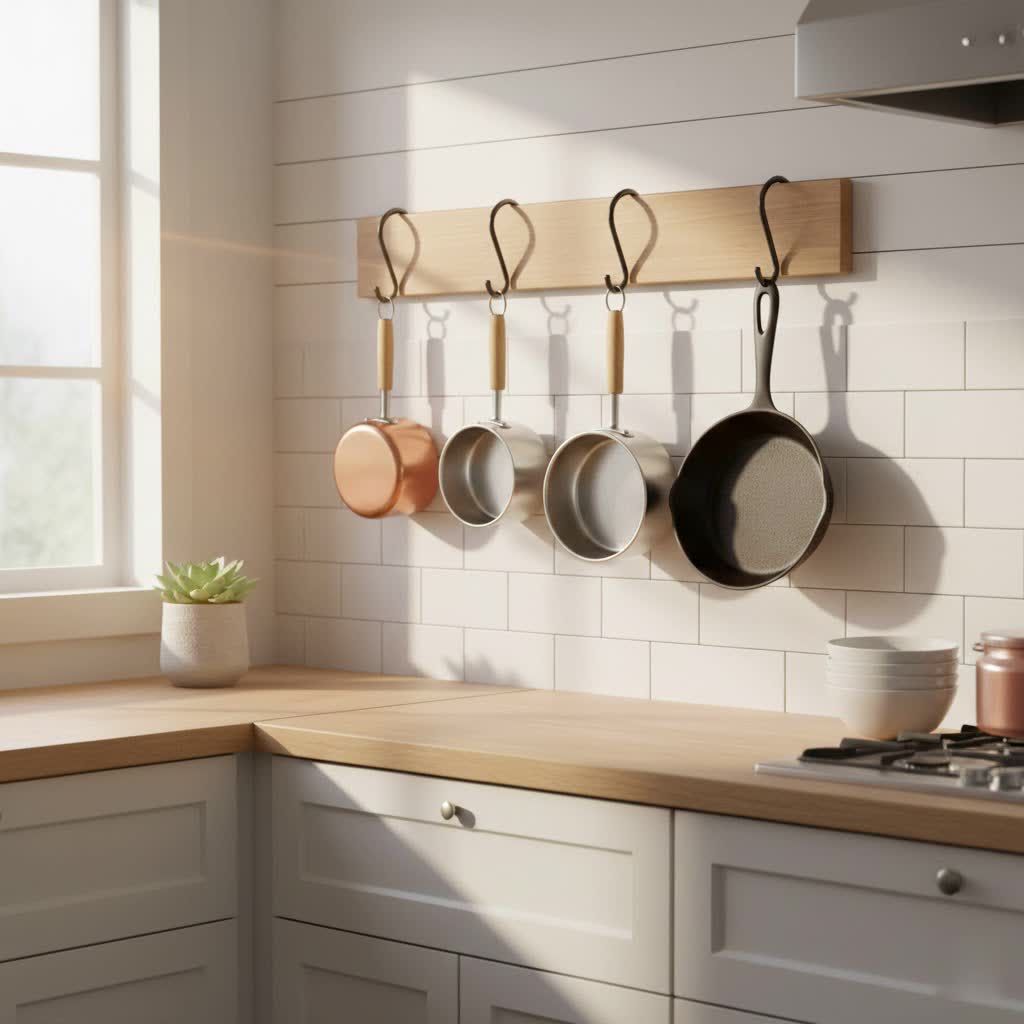
Wall-mounted pot racks are attached directly to a kitchen wall, making them an excellent choice for smaller kitchens or those with limited ceiling space. They are efficient space-savers, keeping countertops clear and providing easy access to frequently used items. Installation is generally simpler compared to ceiling-mounted options, though it’s important to secure them into wall studs for optimal weight bearing. Their capacity is limited by the available wall space and the rack’s design.
Freestanding Pot Racks
Freestanding pot racks are standalone units that rest on the floor, often resembling a small shelf or tower with hooks. Their main advantage is flexibility; they require no installation and can be moved easily, making them perfect for renters or those who frequently rearrange their kitchen. They come in various designs, sometimes including shelves for additional storage. The downside is that they occupy floor space, which can be a concern in very compact kitchens, and they might appear bulky depending on the design.
Corner Pot Racks
Corner pot racks are specifically designed to fit into the often-underutilized corner spaces of a kitchen. They ingeniously reclaim dead space, providing a smart and compact storage solution for a few essential pots or smaller pans. While their capacity is typically more limited than ceiling or large wall racks, they excel at maximizing every inch of your kitchen. Installation can sometimes be a bit trickier due to the angled fit, but the payoff in space efficiency is considerable.
Comparing Pot Rack Types
Choosing the perfect pot rack often comes down to weighing the pros and cons of each type against your specific kitchen environment and needs. This comparison table highlights key features to help you decide.
| Feature | Ceiling-Mounted | Wall-Mounted | Freestanding | Corner |
|---|---|---|---|---|
| Pros | High capacity, visually impactful, frees counter space, robust | Space-saving, easier installation, keeps counters clear, versatile | Flexible placement, no installation, portable, additional shelving | Utilizes unused corner space, compact solution |
| Cons | Needs sturdy joists, can obstruct views/light, may not suit low ceilings | Limited by wall space, weight capacity dependent on studs | Takes up floor space, can look bulky in small kitchens | Limited capacity, specific fit required, can be tricky to install |
| Best For | Large kitchens, high ceilings, islands, extensive cookware collections | Small to medium kitchens, limited counter space, frequent access | Renters, kitchens with ample floor space, temporary solutions | Small kitchens, maximizing overlooked spaces, few items |
| Typical Cost | Higher | Medium | Medium | Medium |
Pot Rack Buying Guide
Selecting the ideal pot rack requires careful consideration of several factors. Follow this step-by-step guide to ensure your new pot rack perfectly complements your kitchen and culinary habits.
- Assess Your Needs: Begin by evaluating your current cookware collection. How many pots, pans, and lids do you need to hang? What are their sizes and, importantly, their combined weight? A heavy cast-iron collection will require a much sturdier rack than a set of lightweight aluminum pans.
- Measure Your Space: This is a critical step. For ceiling racks, measure your ceiling height and the available area above your island or counter. Ensure there’s enough clearance so the rack doesn’t obstruct movement or views. For wall racks, measure the available wall length and height. For freestanding or corner racks, determine the precise floor or corner dimensions they will occupy.
- Choose the Right Type: Based on your space measurements and storage needs, select the pot rack type that makes the most sense. A ceiling rack is excellent for a large kitchen with high ceilings, while a wall-mounted bar might be perfect for a compact galley kitchen.
- Material Matters: Pot racks are crafted from various materials, each offering distinct aesthetics and durability. Wrought iron provides a classic, heavy-duty look often associated with farmhouse or industrial styles. Stainless steel offers a sleek, modern, and easy-to-clean option. Wood can introduce warmth and a rustic charm, while copper can be a decorative statement piece. Consider the material’s durability, maintenance requirements, and how it aligns with your kitchen’s existing decor.
- Check Weight Capacity & Installation: Always verify the pot rack’s advertised weight capacity and compare it to the total weight of your cookware. For ceiling and wall-mounted racks, proper installation into ceiling joists or wall studs is paramount for safety. If you’re unsure about installation, consider professional help.
- Read Reviews: Before making a purchase, take time to read reviews from other users. Their experiences can provide valuable insights into a product’s real-world performance, ease of installation, and overall durability. Look for common praises or complaints.
- Compare Prices & Brands: Pot rack prices can vary significantly. Research different brands and retailers to find the best value. Remember that a higher price often correlates with superior materials, craftsmanship, and weight capacity, but there are also excellent mid-range options available.
Pot Rack Price Ranges
Pot racks are available across a broad spectrum of prices, catering to various budgets and quality expectations. Understanding these tiers can help you set realistic expectations for features and materials.
- Budget-Friendly (Under $50): This category typically includes basic wall-mounted bars, smaller freestanding units, or simple ceiling racks made from lighter-gauge metals or less ornate designs. They are suitable for light-duty use, decorative purposes, or for individuals with a minimal cookware collection. While functional, they might have limited weight capacity and simpler finishes.
- Mid-Range ($50 – $150): The sweet spot for many, this price range offers a good balance of quality, design, and functionality. You’ll find sturdier stainless steel, wrought iron, or mixed-material racks with better finishes, more hooks, and improved weight capacity. This segment includes a wider variety of styles for both ceiling and wall applications, often with enhanced durability and aesthetic appeal.
- Premium (Over $150): Pot racks in this category are characterized by high-quality materials such as heavy-gauge steel, solid copper, or finely finished wood, often combined with intricate designs or handcrafted elements. They typically boast superior weight capacities, exceptional durability, and luxurious aesthetics. Premium racks are often focal points, designed to make a significant statement in a high-end kitchen.
Top 5 Pot Racks Loved by Home Cooks
Based on extensive research and common user preferences, these types of pot racks frequently stand out for their blend of functionality, durability, and style.
- The Classic Oval Ceiling Pot Rack: This timeless design features a sturdy wrought iron or heavy-gauge steel frame, often in an elegant oval shape. It typically includes a generous number of hooks (12-18) and provides ample space to hang a full set of pots and pans. Its robust construction ensures high weight capacity, making it perfect for cast iron or large cookware collections. While its installation might require drilling into ceiling joists, the visual impact and organizational benefits are immense.
- Modern Wall-Mounted Bar with Adjustable Hooks: A favorite for minimalist and contemporary kitchens, this rack usually consists of a sleek stainless steel or matte black bar. Its beauty lies in its simplicity and versatility, allowing users to customize hook placement to fit various pot and pan sizes. Installation is straightforward on a sturdy wall, offering a clean, unobtrusive look that keeps counters clear. It’s an ideal solution for kitchens where overhead space is limited or a less intrusive option is desired.
- Rustic Farmhouse Wood and Metal Pot Shelf: Blending the warmth of natural wood with the strength of metal, this style often features a wooden shelf on top for additional storage (cookbooks, decorative items) and a metal grid or bar below with hooks for cookware. Its charm perfectly suits farmhouse, rustic, or transitional kitchen designs, adding both storage and decorative appeal. The combination of materials creates a unique aesthetic, though the wood component may require occasional cleaning or polishing.
- Compact Corner Pot Rack with Storage Basket: Ingeniously designed for space-challenged kitchens, this corner unit maximizes an often-underutilized area. Typically made from powder-coated steel, it features several hooks for hanging pots and pans, often accompanied by a small wire basket on top for lids, spices, or utensils. It’s incredibly efficient for tight spaces and helps to maintain a clutter-free environment. Installation needs careful measurement to ensure a perfect fit into your specific corner angle.
- Industrial Chic Freestanding Pot Tower: For those with a burgeoning cookware collection or renters who prefer not to drill, this multi-tiered freestanding tower offers a robust solution. Constructed from heavy-duty steel or iron, it provides several shelves for pots and pans, with additional hooks integrated around the sides. Its industrial aesthetic makes a bold statement, and its portability allows for flexible kitchen arrangements. This rack is excellent for large kitchens or those needing significant additional storage without permanent installation.
Conclusion
Pot racks are much more than simple storage accessories; they are transformative elements that can revolutionize your kitchen’s functionality and aesthetic. By intelligently organizing your cookware, freeing up precious cabinet and counter space, and adding a unique visual flair, a pot rack enhances both your cooking experience and the overall appeal of your home. Whether you opt for the grandeur of a ceiling-mounted rack, the efficiency of a wall-mounted bar, the flexibility of a freestanding unit, or the clever space-saving of a corner design, the right pot rack will seamlessly integrate into your lifestyle. Considering your kitchen’s layout, your cookware collection, and your personal style will guide you toward an investment that brings lasting order and elegance. Which pot rack style will elevate your kitchen’s functionality and aesthetic?
Frequently Asked Questions
How much weight can a typical pot rack hold?
The weight capacity of a pot rack varies significantly by its type and construction material. Ceiling-mounted racks, especially those secured into ceiling joists, can often support 50 to 100 pounds or more. Wall-mounted racks typically hold 30 to 60 pounds, depending on how securely they are anchored to wall studs. Always check the manufacturer’s specifications.
Are pot racks hard to install?
Installation difficulty depends on the type of pot rack. Wall-mounted racks are generally easier, requiring basic drilling and anchoring into studs. Ceiling-mounted racks can be more challenging as they require precise location of ceiling joists and ensuring the structure can bear the weight, often benefiting from professional installation for safety. Freestanding racks require no installation.
Can I use a pot rack in a small kitchen?
Absolutely! Pot racks are exceptionally useful in small kitchens. Wall-mounted and corner pot racks are particularly effective for maximizing limited space, keeping counters clear and utilizing vertical or often-unused corner areas. Even smaller ceiling racks can be beneficial if your ceiling height allows.
What materials are best for pot racks?
The best material depends on your priorities. Wrought iron and heavy-gauge stainless steel are excellent for durability and high weight capacity, offering industrial or modern aesthetics. Copper is beautiful but requires more maintenance. Wood can add warmth but might not be as heavy-duty. Choose a material that matches your kitchen’s style and your cookware’s weight.
How high should a ceiling pot rack be?
A ceiling pot rack should be hung at a height that allows easy access to your cookware without obstructing your view, interfering with movement, or hitting your head. Generally, the bottom of the lowest pot should be at least 6 to 6.5 feet from the floor, and about 18-24 inches above any countertop or island surface to ensure comfortable clearance.
Do pot racks scratch pots and pans?
When used correctly, pot racks should not scratch your pots and pans. Most pot rack hooks are designed to prevent damage, often with rounded edges or protective coatings. To further minimize scratching, ensure pots and pans are hung individually without overcrowding and handle them carefully when taking them off or putting them back on the hooks.